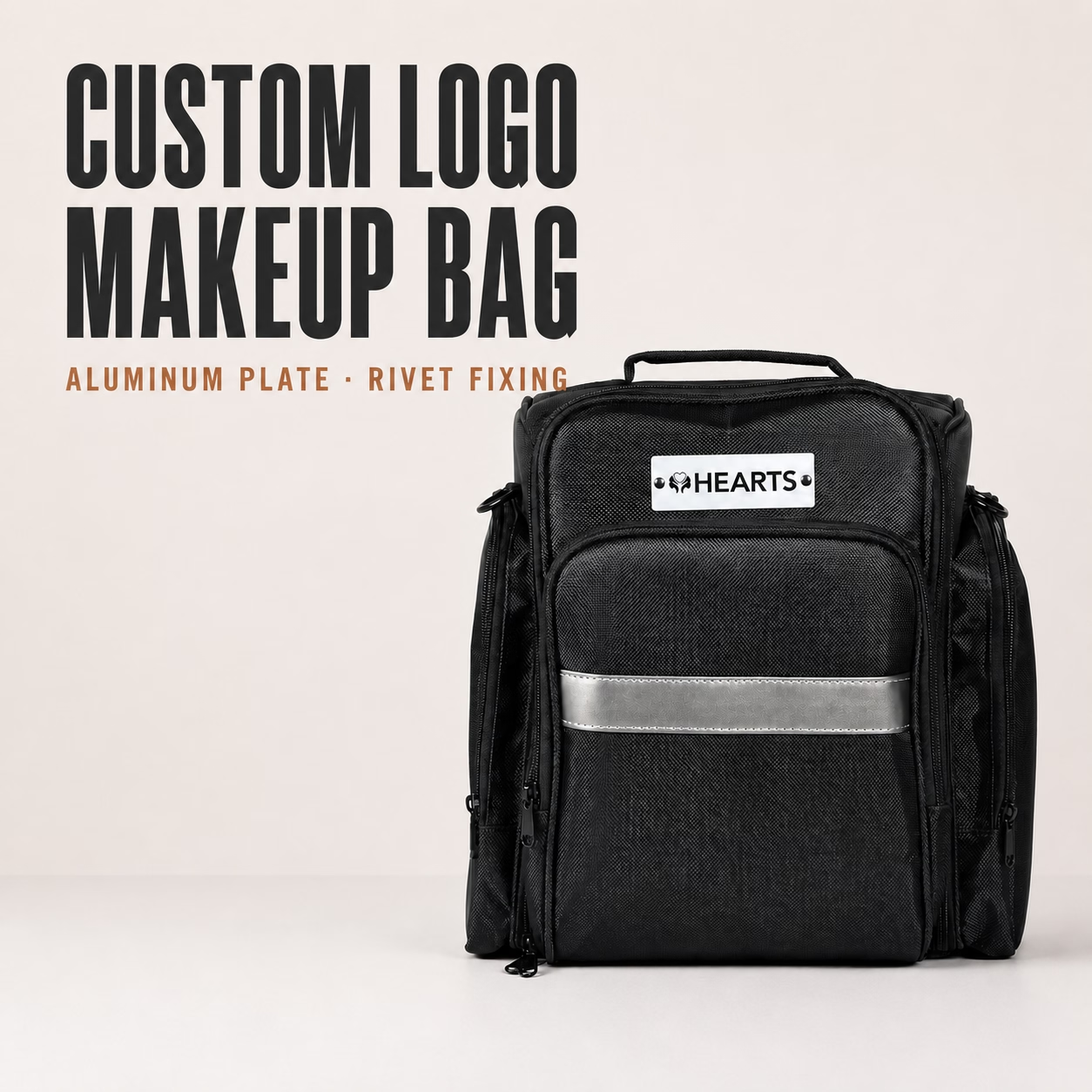
Quick answer: A riveted aluminum logo plate is a practical option when a buyer wants a rigid, clearly visible brand element on a soft makeup organizer bag. Before sampling, confirm the plate material, dimensions, artwork, surface appearance, position and rivet placement. The approved sample should also show that the plate sits flat, the surrounding fabric is not pulled out of shape and the rivet backs do not interfere with the lining or storage space.
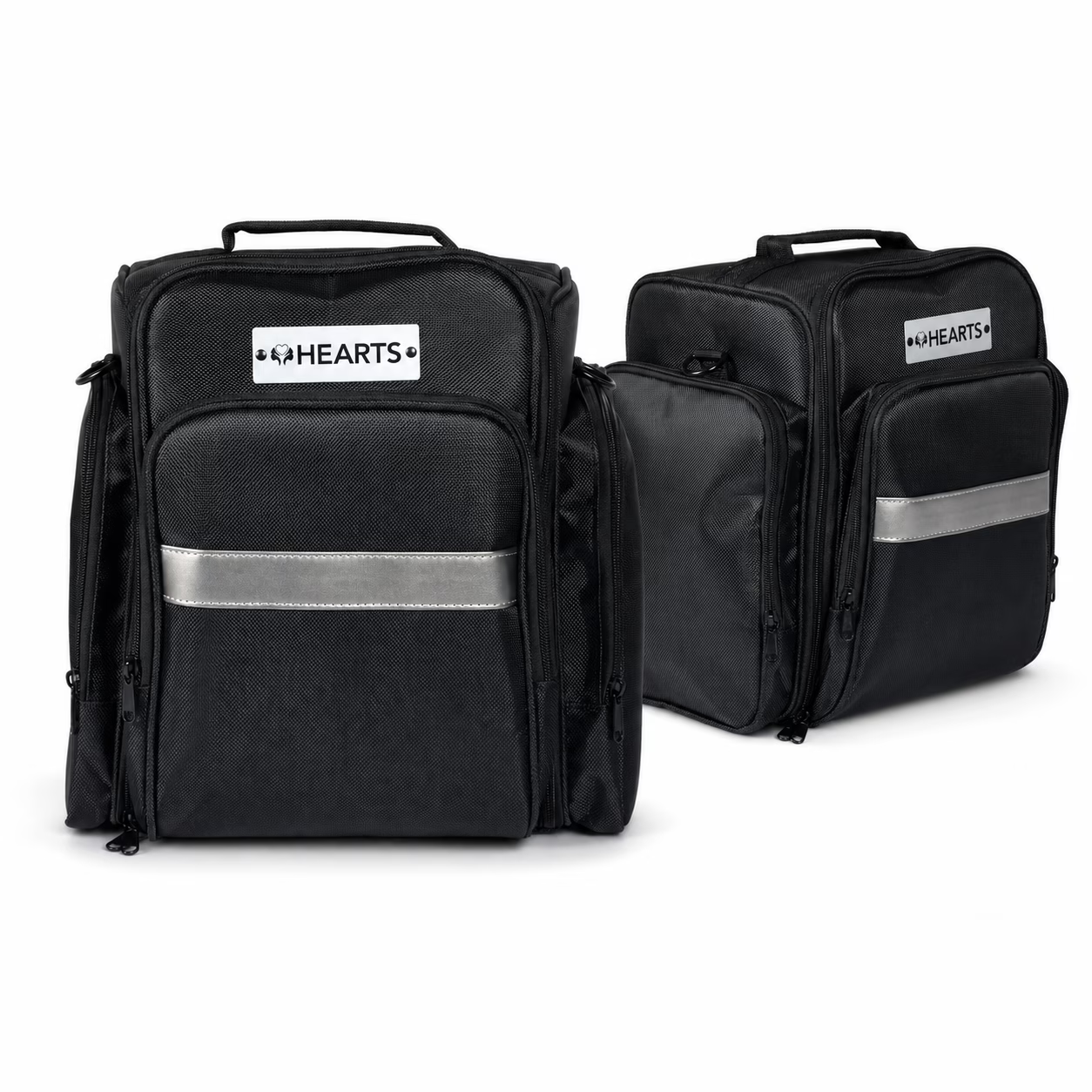
For this reference project, the customer specified an aluminum sheet logo plate and rivet fixing. The photographs show an actual customized version of the 3329 organizer bag rather than a digital mock-up. That makes the example useful for buyers who need to turn a logo request into production-ready details.
Why use an aluminum logo plate on a makeup bag?
A logo plate creates a different result from printing directly on fabric. It adds a separate, rigid branding component to the front of the bag, so the logo remains visually distinct from the Oxford-cloth texture underneath.
This approach may suit a brand that wants:
– a clearly defined logo area;
– a metal detail that coordinates with other hardware;
– a branding element that is fixed to the bag rather than printed across the fabric;
– a consistent plate shape and position across a production order.
The plate should not be selected by appearance alone. Its size, weight, edge treatment and fixing position all affect how it sits on the fabric panel. A plate that is too large for the available area can distort the front panel or compete with pockets, zippers and reflective trim.
What should be confirmed before making the sample?
The phrase “add our logo” is not a complete production instruction. The buyer and supplier need a small specification covering the plate itself and the way it connects to the bag.
The logo reproduction method is intentionally left open in this checklist. It should be selected after the supplier reviews the artwork, plate construction and required visual result. A method used on one order should not be assumed to apply to every logo design.
How rivet fixing affects the bag panel
Rivets create a mechanical connection through the bag panel. This gives the plate a fixed position, but it also means the placement must be decided before production. Moving the plate later may leave holes or marks in the material.
During development, check four areas carefully.
Panel position
Keep the rivet points away from zipper paths, seams and pocket openings. The plate should be centered according to an agreed measurement, not positioned by eye from one unit to the next.
Fabric response
The aluminum plate should sit flat without pulling or wrinkling the Oxford fabric around it. If the panel is soft, the supplier and buyer should confirm whether an internal support layer is required for the chosen plate size.
Interior contact
Inspect the reverse side of the fixing area. Rivet backs should not create exposed sharp points, rub against stored items or reduce the usable opening of an internal pocket.
Repeatability
The approved sample should establish the plate location and rivet spacing for bulk production. Photographs are helpful, but measurements on the specification sheet provide a clearer reference for inspection.
A real 3329 customer customization reference
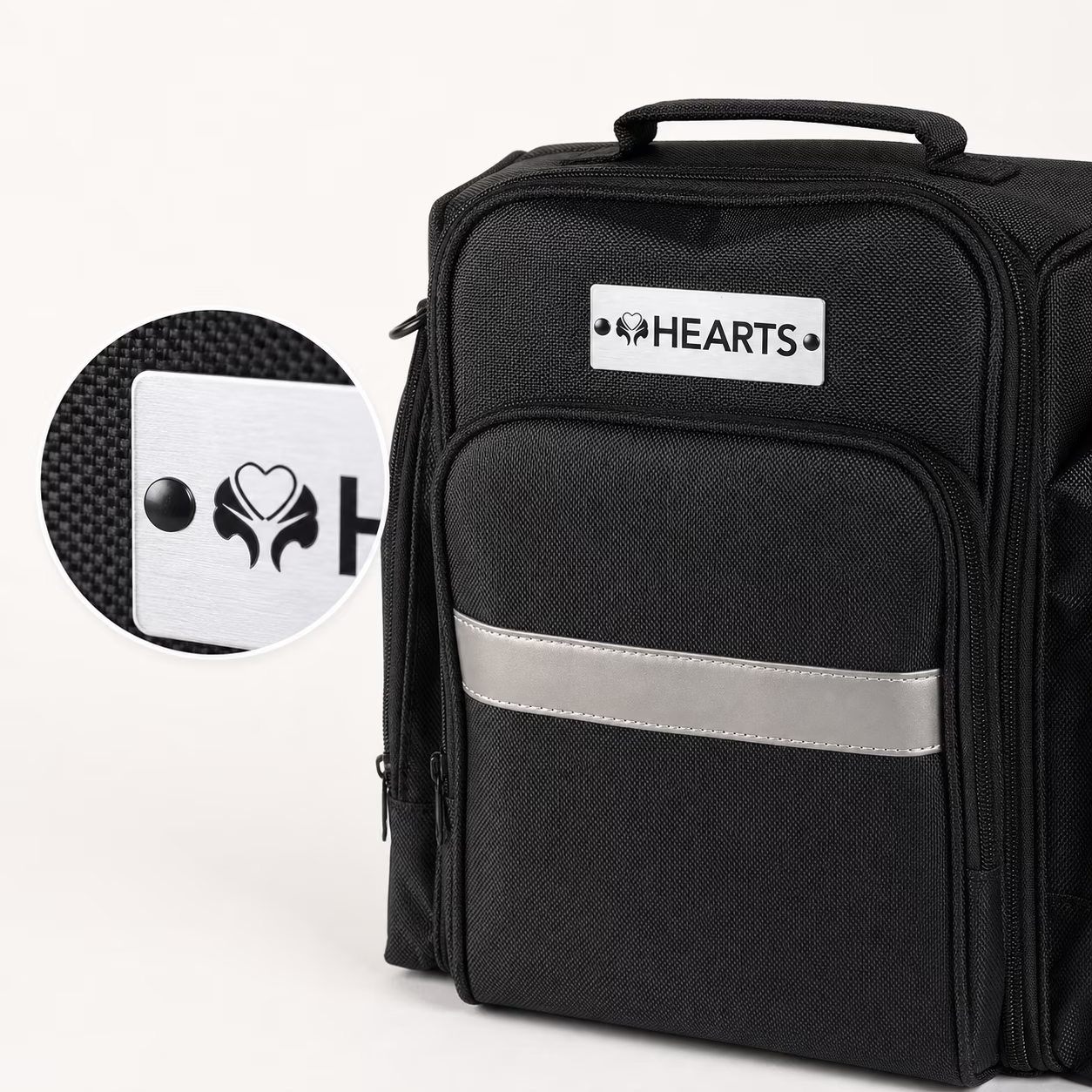
The reference photographs show a customized version of the 3329 makeup organizer bag. The bag uses a 1680D Oxford-cloth exterior and includes a reflective PU strip on the front. For this order, the customer requested an aluminum logo nameplate secured with rivets above the reflective strip.
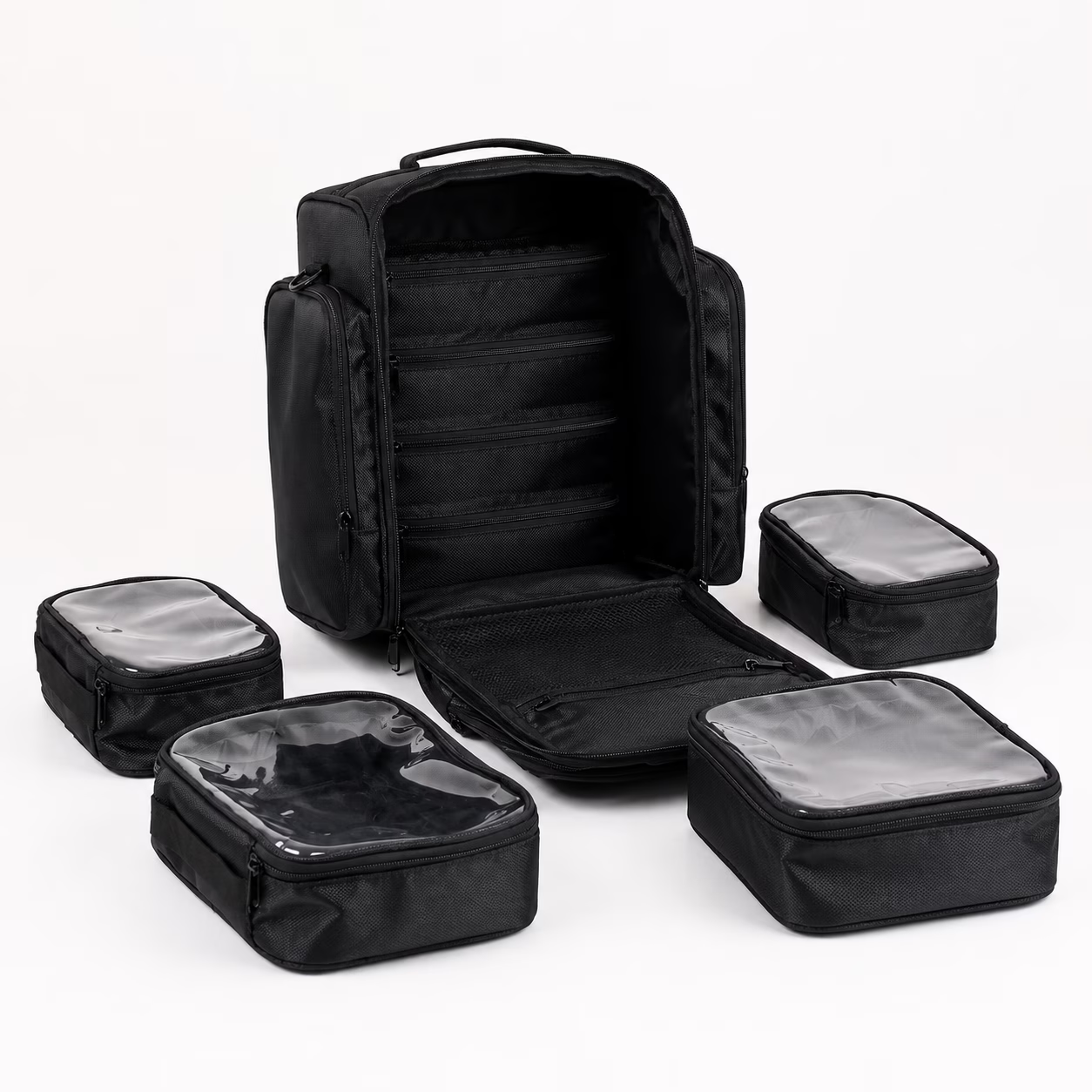
The logo plate is only one part of the configuration. The standard 3329 reference also uses four removable PVC-top zipper pouches, but the purpose of this example is to show the branding treatment rather than repeat the bag’s full storage specification.
Buyers evaluating the complete pouch layout, dimensions, MOQ and lead-time reference can read the OEM makeup organizer bag guide. The current 3329 product page should be used to confirm the quotation configuration.
What to inspect on the logo-plate sample
A sample review should cover more than whether the logo looks attractive. Check the plate as a component and then check how it works with the finished bag.
Artwork and appearance
– Confirm the logo spelling, proportions and orientation.
– Compare the plate size with the approved drawing or measurement.
– Check that the logo remains legible at normal viewing distance.
– Review the plate color and surface appearance under normal lighting.
– Confirm that the plate edges are clean and comfortable to touch.
Placement and fixing
– Measure the plate position from fixed bag reference points.
– Check that the plate is level and visually centered.
– Confirm that the rivets are aligned and fully seated.
– Look for gaps between the plate and the bag panel.
– Check for fabric puckering, pulled threads or distortion around the fixing points.
Inside the bag
– Inspect the reverse side of every rivet.
– Confirm that the lining is finished neatly around the fixing area.
– Make sure the fixing does not block a pocket, zipper or removable pouch.
– Load and close the bag to confirm that stored items do not press directly against an unsafe fixing point.
Record any correction with a photograph and a measurable instruction. “Move the logo slightly” is difficult to reproduce. “Move the plate 8 mm upward from the approved reference line” gives the sample team a usable change request.
For a broader review of materials, dimensions, compartments, branding and packaging before bulk production, use the OEM makeup bag sample approval checklist.
What should the buyer include in the logo brief?
Send the following information with the inquiry or sample request:
1. bag model or reference photograph;
2. final logo artwork, preferably in a vector format;
3. required plate width and height;
4. preferred plate color and surface appearance;
5. intended position on the bag;
6. confirmation that rivet fixing is acceptable;
7. target order quantity;
8. packaging or carton-mark requirements;
9. target delivery market and required schedule.
If the plate dimensions or placement are not yet decided, provide the artwork and the bag model first. The supplier can then review the available panel area and prepare a placement proposal for sample confirmation.
From the approved sample to bulk production
Once the logo plate is approved, retain the signed specification and reference sample. The record should include the plate dimensions, artwork version, position measurements and rivet arrangement.
Use the OEM makeup bag sample approval checklist to verify the approved artwork, plate dimensions, position and rivet arrangement before releasing the order to bulk production.
For wholesale shipment planning, see the makeup bag export packaging guide for carton construction, packed weight and carton-marking checks.
Bulk inspection can then compare finished units with the same reference. If the buyer changes the plate size, artwork or position after approval, treat it as a specification change and confirm whether another sample or revised approval is needed.
The main goal is simple: remove interpretation from the branding request before production begins. A short, accurate logo-plate specification is more useful than a long email thread with several different artwork versions.
Requesting an aluminum logo-plate sample
To request a recommendation for your market, provide the bag model, logo artwork, target plate size, order quantity and preferred position. The Obeautycase team can review the available panel area and confirm the sampling details with you before production.
Frequently asked questions
Can an aluminum logo plate be attached to a soft makeup bag?
Yes. The reference project uses an aluminum sheet nameplate fixed to a 1680D Oxford makeup organizer bag with rivets. The plate size, position and reverse-side finish should be confirmed on the sample because the fixing passes through the soft bag panel.
How is the aluminum logo plate fixed to the bag?
For this customer reference, the plate is fixed with rivets. Other fixing methods should not be assumed to be equivalent; confirm the construction required for the specific bag and artwork.
Can the plate size and position be customized?
They can be specified for an OEM order, subject to the available panel area and construction review. Confirm exact measurements and placement on the approved sample before bulk production.
Can a riveted logo plate be removed later?
It is not intended for routine removal. Removing it may leave fixing holes or damage the fabric and lining, so the artwork and position should be finalized during sampling.
What logo file should a buyer provide?
A vector file is preferred because it preserves the logo proportions and gives the supplier a clear production reference. Also provide any color requirements, the intended plate size and a placement image or measurement.