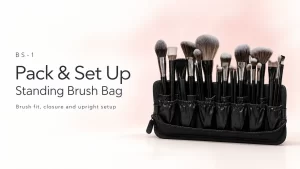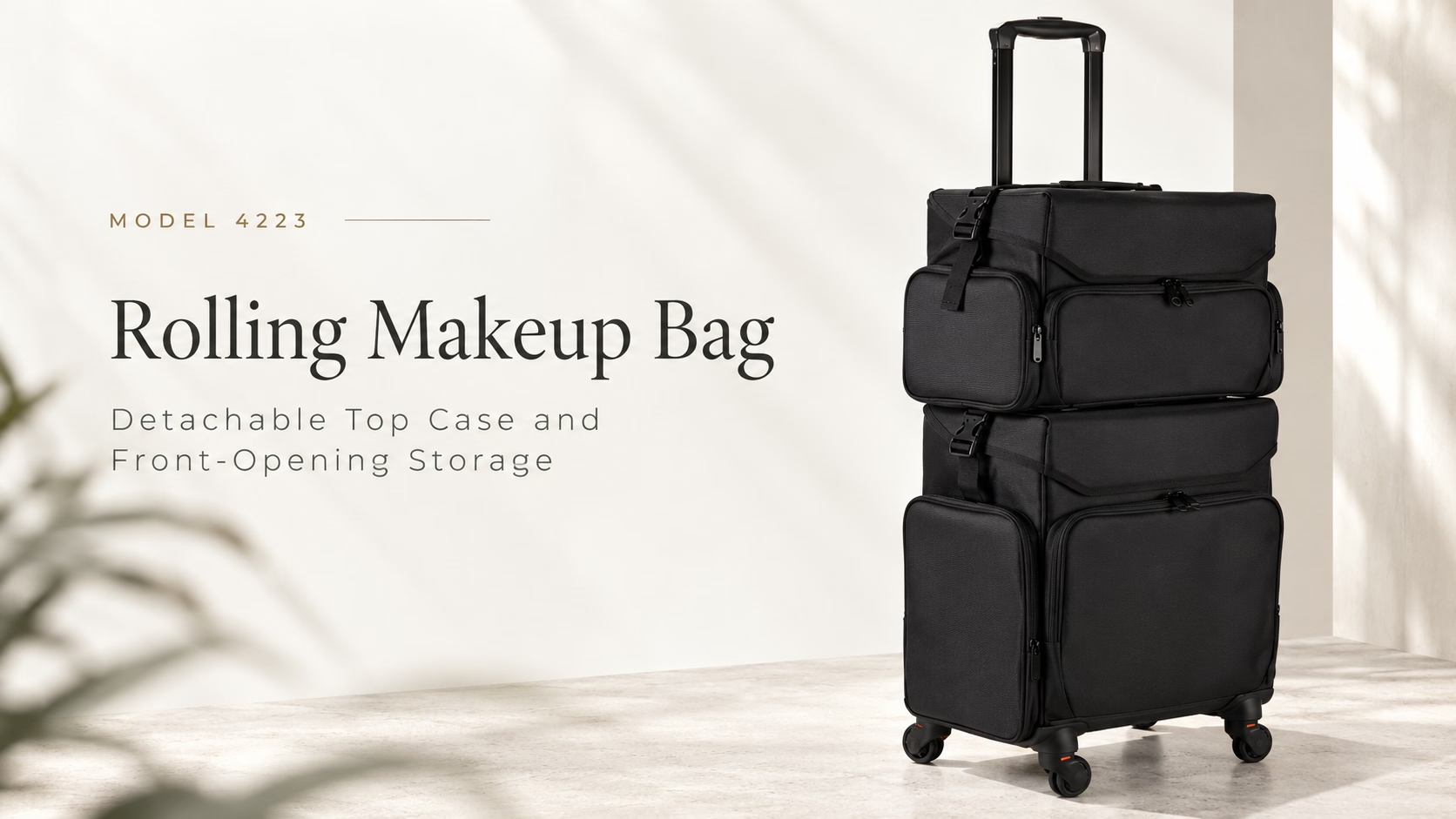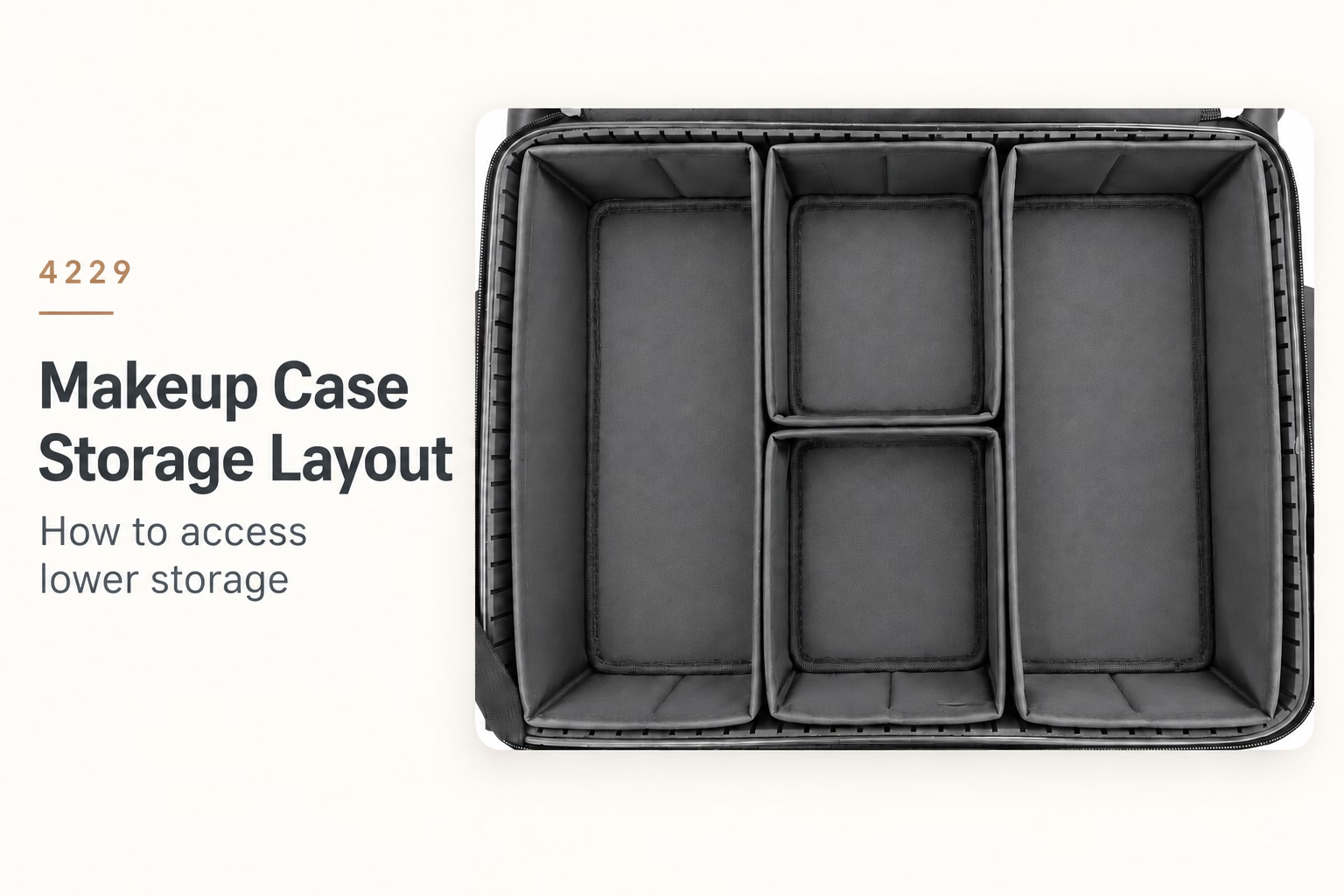
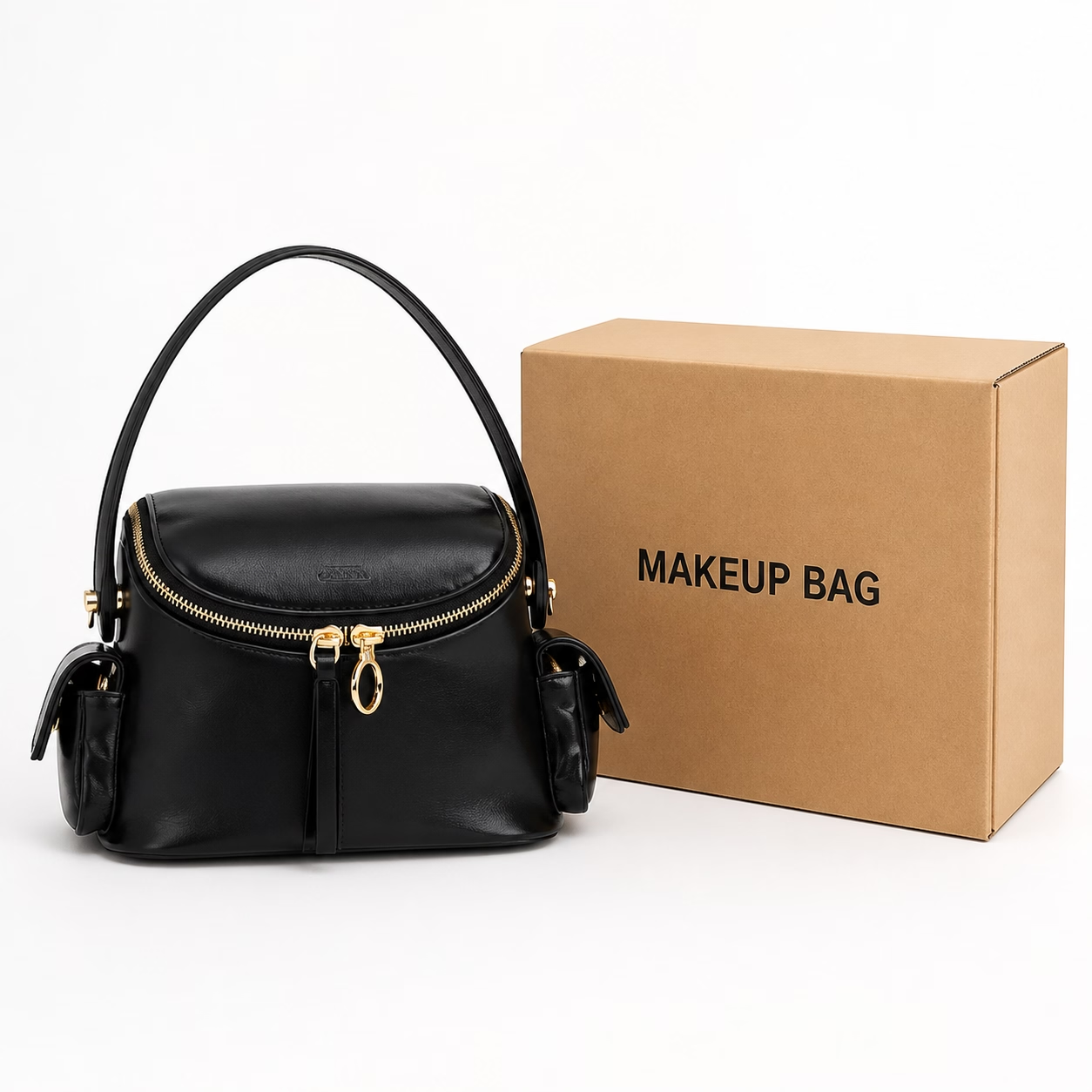
Soft makeup bags, organizer bags and detachable pouches need a different packing plan from rigid rolling makeup cases. The pack should limit compression, rubbing, dust and handling damage while keeping carton volume under control.
This guide covers the post-production packaging stage for wholesale orders. It explains how to confirm the unit pack, choose a carton construction, record carton information and approve the final shipping configuration. It does not replace a pre-production sample approval checklist or a finished-goods inspection checklist.
Quick answer
For a wholesale makeup-bag shipment, confirm the individual protection, folded or unfolded orientation, units per carton, packed gross weight, carton dimensions and carton marks before bulk packing starts. Obeautycase’s usual outer-carton options are five-ply or seven-ply, selected according to the product, order configuration and shipping plan. Large or more vulnerable items may need foam corner protection and bubble wrapping; smaller soft products are commonly protected with individual bags or bubble bags.
1. Confirm the packaging brief before bulk packing
Packaging should be treated as part of the approved order specification, not as an afterthought. Before packing begins, the buyer and supplier should confirm:
– the individual bag and accessory protection;
– whether the bag is packed flat, folded, or shaped with internal support;
– the number of units in each carton;
– carton length, width and height;
– packed gross weight and the weighing method;
– the carton construction, normally five-ply or seven-ply according to the product and shipping requirements;
– whether a PVC window, removable pouch or metal trim needs extra protection;
– the required logo, shipping mark, SKU or model reference;
– carton quantity, carton number and handling marks, if required;
– whether the buyer wants a logistics-abuse test or third-party inspection before release.
If any of these details are still open, record them in the purchase order or packaging approval sheet. Do not rely on a verbal assumption that every product in the order uses the same carton arrangement.
2. Protect the individual makeup bag
The first layer of protection should match the product’s structure. A soft-sided organizer bag can be damaged by sharp edges, excessive compression or friction between metal hardware and fabric. A practical unit-pack review should cover the following points.
Fabric and surface protection
Keep the bag clean and dry before it enters the carton. Use an individual polybag, non-woven cover or another agreed inner package when the buyer needs protection from dust or surface rubbing. If the bag has a reflective PU strip, printed panel, embroidered area or customer logo plate, place a protective sheet over the finished surface where contact marks are possible.
PVC windows and clear pouches
PVC-top pouches should not be folded sharply or pressed directly against metal hardware. Separate the clear surface from buckles, sliders and rivets with a thin protective layer. When several pouches are packed together, keep zippers and pullers from rubbing against the PVC window of another pouch.
Removable pouches and accessories
If the reference configuration includes removable pouches, pack them in the agreed position and verify the quantity before sealing the unit. Do not describe a product as having adjustable dividers when the approved configuration actually uses removable pouches. The packaging record should use the same component names as the approved sample and purchase order.
Shape and compression control
If a bag is intended to ship flat, confirm the acceptable folded lines with the buyer. If the bag must retain its shape, use an agreed insert or light internal support. Avoid filling the unit pack so tightly that the front opening, zipper track or side pocket is permanently distorted.
3. Choosing five-ply or seven-ply outer cartons
Obeautycase uses five-ply and seven-ply cartons according to the product, order configuration and shipping plan. The correct choice depends on more than the product name. Consider the packed unit weight, carton size, stacking exposure, route length and whether the carton will be handled repeatedly during transfer.
This table is a decision aid, not a universal carton-strength guarantee. The final carton construction should be confirmed against the approved packed sample and the buyer’s logistics requirements.
4. Internal protection and carton loading
For large or more vulnerable items, the usual protection may include foam corner protectors and bubble wrapping. Smaller products may use individual bubble bags or similar cushioning. The exact material and quantity should be confirmed for the product rather than copied from another model.
When loading the carton:
1. Place the heaviest units at the bottom and keep the load level.
2. Keep protruding hardware away from PVC windows and exposed fabric panels.
3. Fill large voids so units cannot shift during handling, but do not over-compress the bags.
4. Keep the carton flaps and tape area clear of loose accessories.
5. Record the final number of units and the packed gross weight after the carton is closed.
If the carton contains mixed components, list the components and quantities on the packing record. This is especially important when a model includes removable pouches, spare parts or buyer-supplied accessories.
5. Carton marking for wholesale shipments
Carton marks are not automatically printed on every order. The buyer should confirm whether the outer carton needs a logo, shipping mark, model or SKU, quantity per carton, carton number, destination information or handling symbols.
Use one approved marking layout for the production run. Before printing or applying marks, check:
– spelling and capitalization of the buyer or brand name;
– model number or SKU;
– units per carton;
– carton numbering format, such as `1/20`, `2/20` and so on;
– destination or consignee information, if required;
– barcode or batch information, if required;
– handling marks requested by the buyer or logistics provider.
Do not add a customer mark, model number or carton quantity by assumption. If the buyer does not request a mark, the shipment should follow the agreed neutral-carton or standard-carton arrangement.
6. Packed-weight and carton-record checks
The final packaging record should distinguish product weight from packaging weight. At minimum, record:
If the buyer has a freight or warehouse limit, use the buyer’s requested weighing and measuring method. A supplier estimate should not replace the final packed-carton measurement.
7. Logistics-abuse testing and buyer participation
When the order or route creates a higher handling risk, Obeautycase can arrange a logistics-abuse test. The buyer can participate in defining the test conditions and reviewing the result. The test should be tied to the agreed packed configuration, because a change in carton size, unit quantity or internal protection can change the outcome.
The test record should identify the packed sample, carton construction, unit quantity, test date, observed damage and any corrective action. A test result for one packing configuration should not be presented as a guarantee for every makeup-bag model or every shipping route.
8. OEM and ODM packaging options
For OEM and ODM programs, buyers can request changes to the packaging and carton marks, including:
– individual bag or pouch protection;
– inner packaging colour or printed information;
– carton construction and carton dimensions;
– units per carton;
– logo, model, SKU and carton-number layout;
– packaging inserts, foam protection or separators;
– outer-carton shipping marks and handling information.
Because the correct packaging depends on the final product structure and order quantity, confirm the details with the Obeautycase business team before bulk production. A buyer can also request a packed sample for approval before the full order is packed.
For the pre-production approval stage, see the OEM Makeup Bag Sample Approval Checklist for Bulk Orders. For a product-specific soft organizer configuration, see the OEM makeup organizer bag guide.
9. Wholesale pre-shipment packaging checklist
Use this checklist before shipment release:
– [ ] The individual protection matches the approved packed sample.
– [ ] PVC windows, pouches, zippers and hardware are separated from damaging contact.
– [ ] Bags are not folded or compressed beyond the agreed condition.
– [ ] The carton construction is confirmed as five-ply or seven-ply.
– [ ] Foam corners, bubble bags or other protection are included where specified.
– [ ] Units per carton are counted and recorded.
– [ ] Closed-carton gross weight is measured and recorded.
– [ ] External carton dimensions are measured and recorded.
– [ ] Logo, SKU, quantity and carton-number marks match the approved layout.
– [ ] Packing photos or inspection records are retained.
– [ ] Any logistics-abuse test or third-party inspection has been completed when required.
– [ ] Changes are approved before shipment release.
Final recommendation
Treat export packaging as a confirmed part of the wholesale order. Approve the unit protection, carton construction, packing quantity, packed weight, carton dimensions and marks together. This helps provide a traceable packing record and gives the factory a clear release standard without mixing soft makeup-bag packaging with rolling-case inspection requirements.
Before finalizing carton details, align the packaging with the approved product sample using this OEM makeup bag sample approval checklist.
Frequently asked questions
Do all makeup bags use the same export carton?
No. Carton construction, carton size, unit quantity and internal protection depend on the bag structure, order configuration and shipping plan. Obeautycase commonly uses five-ply or seven-ply cartons, but the final choice must be confirmed for the specific order.
Can buyers customize carton marks and packaging?
Yes. Buyers can request changes to the inner protection, carton construction, carton marks, model or SKU information, units per carton and packaging layout. The details should be confirmed before bulk production.
Are customer logo and carton marks printed automatically?
No. Customer marks are not added automatically. The buyer should provide the required artwork or text and confirm the approved placement, model, quantity and carton-number format.
Can you arrange a shipping or logistics-abuse test?
Yes. A logistics-abuse test can be arranged for the agreed packed configuration, and the buyer can participate in defining or reviewing the test. Results should be understood as applying to the tested configuration, not automatically to every model or route.
Is this guide the same as a sample approval checklist?
No. The sample approval checklist covers pre-production approval and handoff to bulk production. This guide covers bulk packing, carton marking and shipment-release preparation after the packaging configuration has been confirmed.