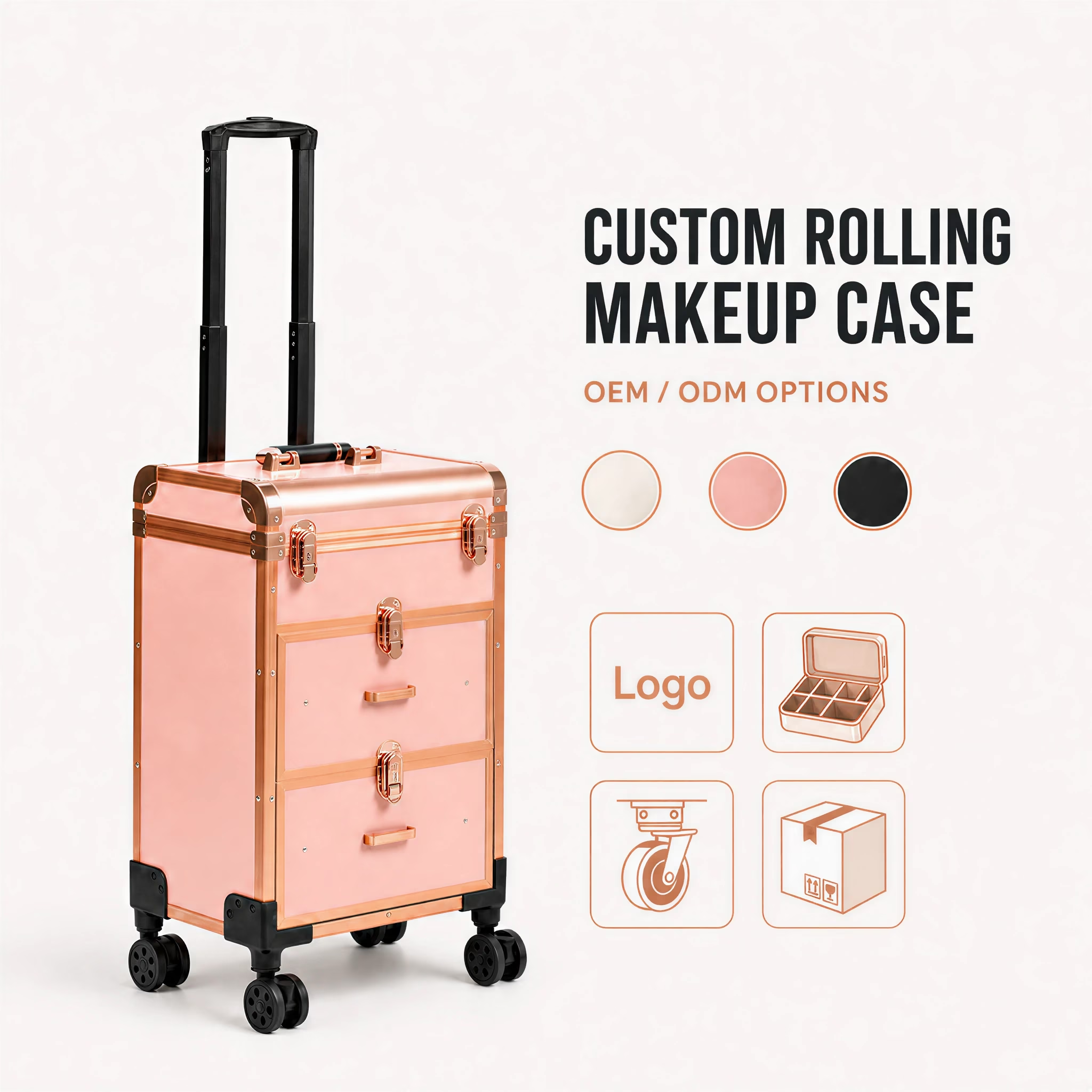
A custom rolling makeup case should do more than display a buyer’s logo. For brands, distributors, beauty schools, salons and wholesalers, customization can affect the exterior finish, internal organization, wheel and handle configuration, packaging and even the structure of the case.
The difficult part is not creating a long list of options. It is converting those options into a specification that the factory can reproduce during bulk production. This guide explains what can be customized, which decisions require sample confirmation and what B2B buyers should document before approving an OEM or ODM order.
Quick answer
For a custom rolling makeup case, define the target user, storage requirements, intended contents weight, materials, colors, logo, hardware and packaging before sampling. Obeautycase’s standard reference terms are a minimum order quantity of 100 units, approximately 15 days for a sample and approximately 25–35 days for bulk or customized production after the required details and sample are confirmed. The final quotation and schedule depend on the selected model, order quantity and extent of the requested changes.
OEM and ODM are not the same project
OEM and ODM are often used together, but they normally describe different levels of development.
An existing-model OEM project usually moves faster because the basic construction is already established. A new structure requires more engineering review because one change can affect internal clearance, balance, packaging size, tooling and assembly.
Start with a written product brief
Before discussing colors or logo placement, give the supplier a short product brief. It should state:
– target market and expected user;
– retail, salon, school, backstage or wholesale application;
– types of cosmetics, tools or equipment to be stored;
– required internal organization;
– target exterior dimensions, if restricted;
– preferred empty weight or handling requirement;
– intended contents weight;
– target price range and order quantity;
– destination market and packaging requirements;
– requested launch or delivery date.
This information helps the factory distinguish between a cosmetic change and a structural requirement. For example, changing the outer color may have little effect on storage, while adding deeper trays may reduce space in the main compartment or change how the case balances when opened.
1. Logo and private-label branding
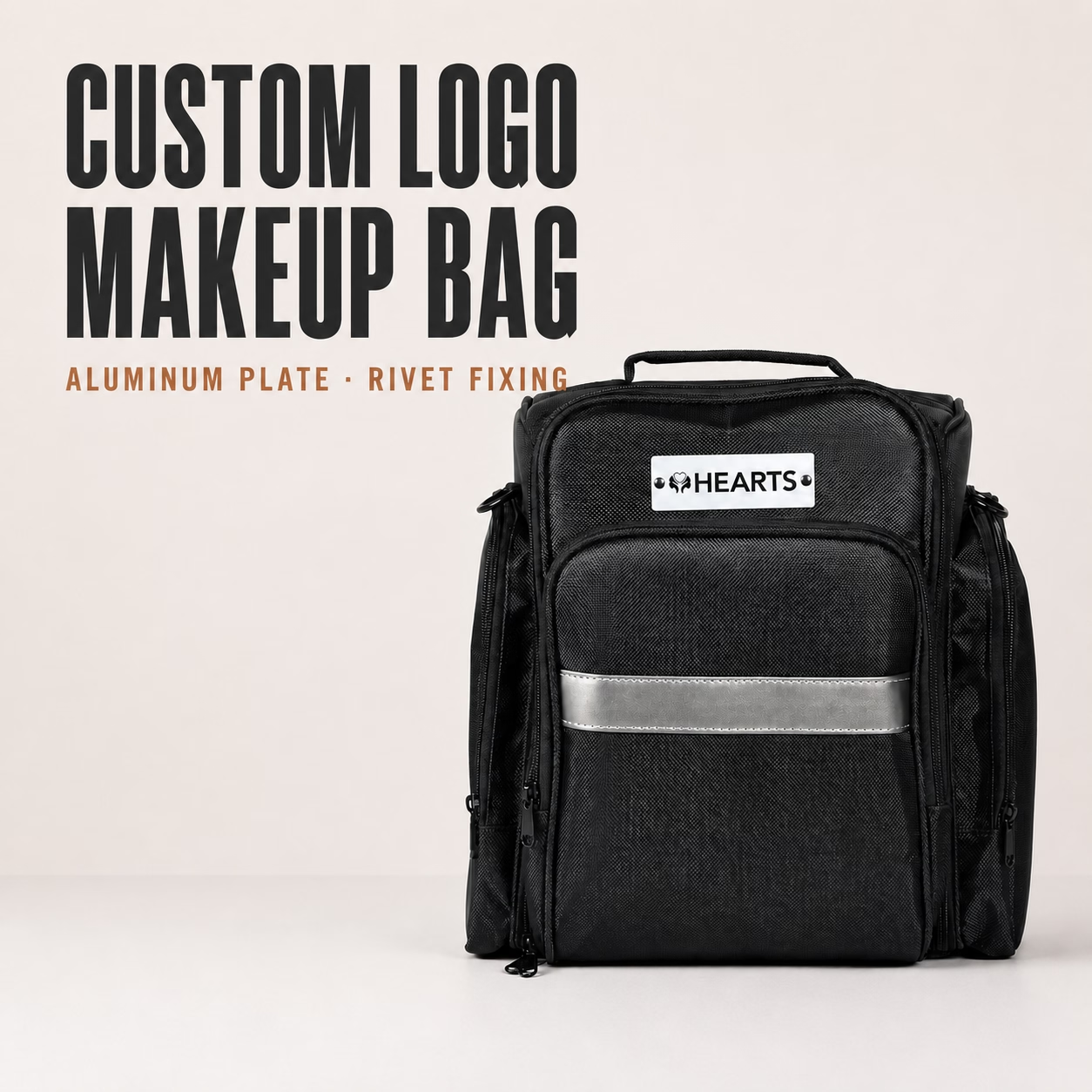
Logo application depends on the surface material, logo artwork, expected appearance and production quantity. A method suitable for a flat laminated panel may not suit a textured lining, curved ABS component or narrow aluminum profile.
Possible approaches can include printing, laser marking, labels, badges or other product-specific methods. These should be treated as options to evaluate rather than universal choices available on every model.
Before approving the branding, confirm:
– the final vector artwork and color reference;
– exact logo size and placement;
– application method;
– appearance on the selected surface;
– resistance to normal handling and cleaning;
– whether the logo affects minimum order quantity or cost;
– whether protective film or packaging covers the branded area.
Ask for a physical branded sample or a representative production proof when logo appearance is commercially important. A digital rendering can confirm position, but it cannot fully show surface texture, reflectivity, edge definition or color variation.
2. Exterior and frame colors
Buyers can request exterior and metal-frame colors, subject to the selected product construction and available finishing process. Record the exterior panel color and frame color separately because they may use different materials and color systems.
A complete color specification should include:
– a Pantone, physical swatch or approved reference sample;
– surface finish, such as matte, gloss, metallic or patterned;
– permitted variation between panels, profiles and hardware;
– whether locks, corner protectors and handles should match or contrast;
– lighting conditions used for approval.
Color names such as “rose gold,” “champagne” or “light pink” are not precise enough for repeat production. Keep the approved physical sample or signed color reference with the order documents.
3. Shell, frame and internal materials
Material choices should be confirmed by component rather than described with one general phrase such as “aluminum makeup case.” A rolling case may combine a laminated density-board panel, aluminum frame, ABS storage components, fabric or velvet lining, EVA dividers and metal hardware.
For every customized configuration, identify:
– exterior panel or shell material;
– frame-profile material and finish;
– tray, drawer or storage-module material;
– lining material and color;
– divider material and density;
– lock, latch, hinge and corner-protector materials;
– caster material and mounting method;
– telescopic-handle material and grip construction.
Our rolling makeup case materials guide explains the material differences in more detail. Use it to select a construction direction, then confirm the actual component specification on the quotation and approved sample.
4. Lining, dividers and brush organization
The interior should be designed around the buyer’s product assortment rather than filled with compartments simply to look organized in a photograph.
Customization may include:
– lining color and material;
– divider size, height, thickness and quantity;
– removable or fixed dividers;
– EVA foam partition systems;
– brush holders, elastic loops or pockets;
– removable accessory bags;
– shallow sections for palettes and small products;
– deeper areas for bottles, machines or hair tools.
Provide the dimensions of the items that must fit, including caps, plugs, cables and protective sleeves. Confirm usable internal dimensions, not only exterior measurements. Frame profiles, lining, drawer slides and tray mechanisms all occupy space.
If several product categories will share the same case, request a layout drawing or compartment list before sampling. After receiving the sample, pack it with representative products to confirm access, closure and weight distribution. Our guide on how to pack a rolling makeup case provides a practical reference for separating heavy, fragile and frequently used items.
5. Trays, drawers and structural changes
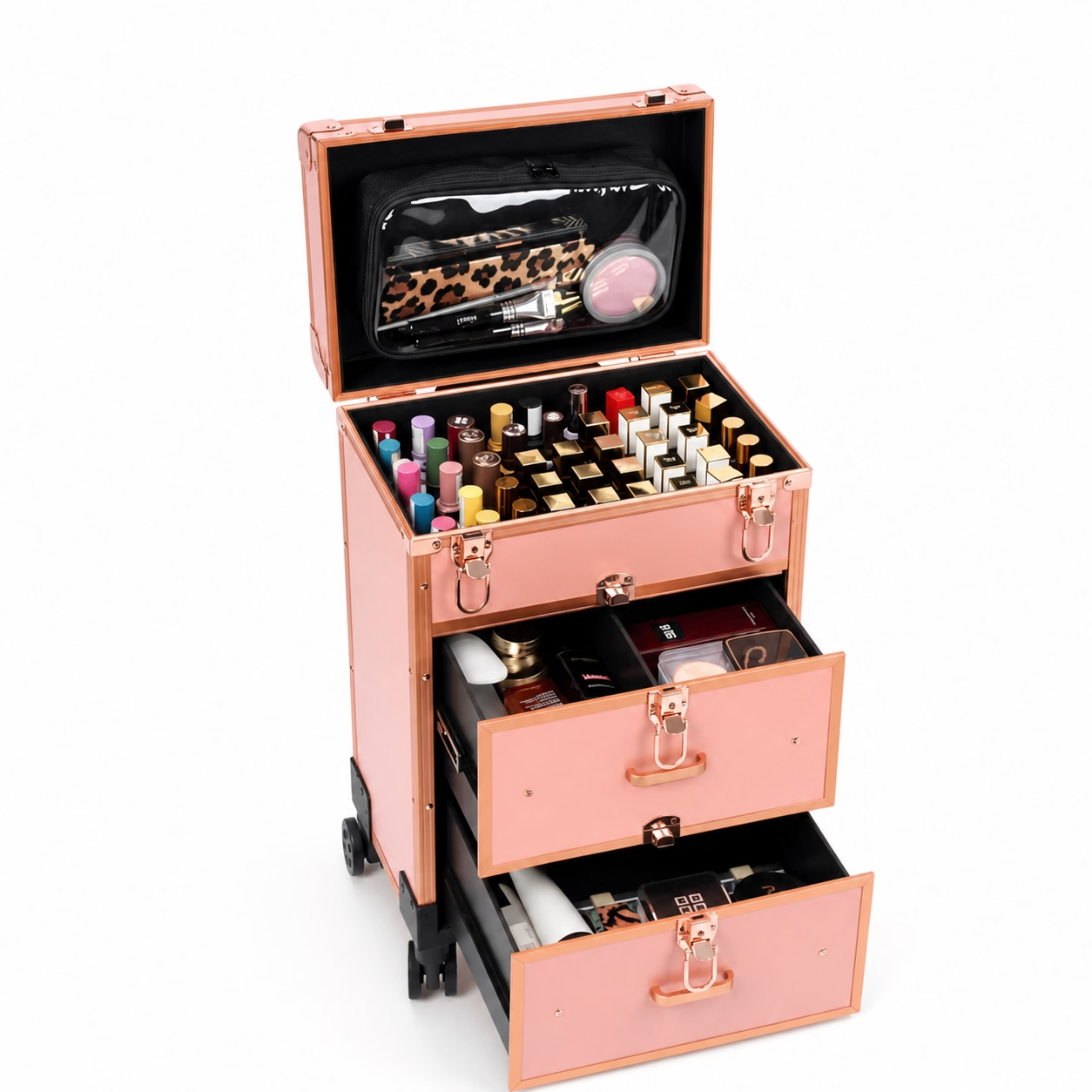
Tray and drawer customization has a greater production impact than changing a logo or color. Adjusting one storage level may change the usable space below it, the opening sequence, the center of gravity and the carton size.
For a modified storage structure, confirm:
– number and position of trays or drawers;
– usable length, width and height of each section;
– removable or fixed configuration;
– divider layout inside each section;
– opening direction and maximum travel;
– support arms, slides, hinges and stops;
– clearance when all sections are opened;
– stability with a representative load;
– whether the case can close when every accessory is installed.
Guangdong Qihui Cases Co., Ltd. can evaluate new structural development through its manufacturing and supply-chain resources. Feasibility, development cost and schedule must be reviewed against the actual design because a completely new structure is not equivalent to a standard color or logo change.
Its integrated factory-and-trade structure also keeps product-development feedback and export-order communication within one workflow. For buyers, this can reduce the number of handoffs between the team discussing a change and the team responsible for preparing it for production. Technical details still need to be documented rather than assumed from a sales discussion.
6. Wheels, telescopic handles and hardware
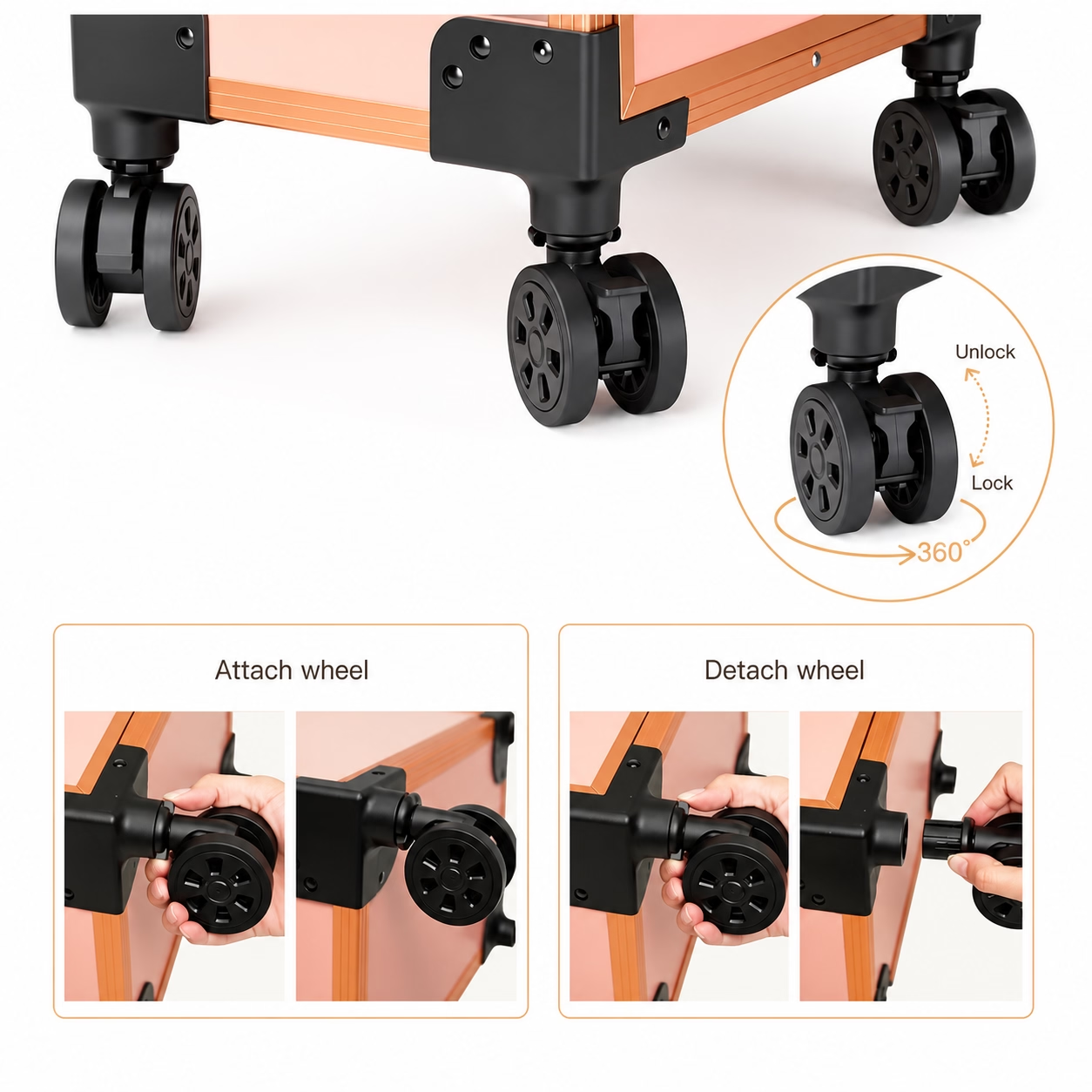
Do not assume that every rolling case uses the same wheel, handle, lock or latch. Hardware should be listed as part of the configuration.
Buyers should confirm:
– caster material;
– single- or dual-wheel design;
– fixed or 360-degree swivel movement;
– bearing configuration;
– brake positions;
– removable or fixed caster mounting;
– handle tube material and extension stages;
– handle grip and release mechanism;
– lock or latch type;
– hinge, corner and reinforcement design;
– availability of replacement parts.
Where a selected product is specified with TPE 360-degree dual-bearing casters and brakes, verify these features on the quotation and physical sample. Do not apply one product’s wheel specification to the entire range.
For practical approval steps, use our makeup artist trolley durability sample checks to examine caster movement, brakes, handle stability, frame alignment and storage hardware under a realistic load.
7. Packaging and carton customization
Packaging is part of the product specification, especially for wholesale, private-label and e-commerce orders. A visually approved case can still create problems if the carton, protection or markings are not confirmed.
Customization can include:
– retail box or plain protective packaging;
– printed brand information;
– instruction sheets and warranty information;
– barcodes, labels and product identifiers;
– inner protection and accessory placement;
– master-carton markings;
– carton dimensions and gross weight;
– quantity per carton;
– shipping marks required by the buyer.
Ask for a packaging layout or packing photo during sample approval. Confirm whether the sample packaging represents bulk production and whether customized printed packaging has a separate minimum quantity or lead time.
Customization confirmation table
The following worksheet is for the purchasing team to copy and complete with the supplier before sampling. The final column records the agreed decision for the project.
Do not leave important decisions only in chat messages. Attach the completed specification, artwork and approval record to the order so the buyer, factory and inspector use the same reference.
OEM and ODM customization process
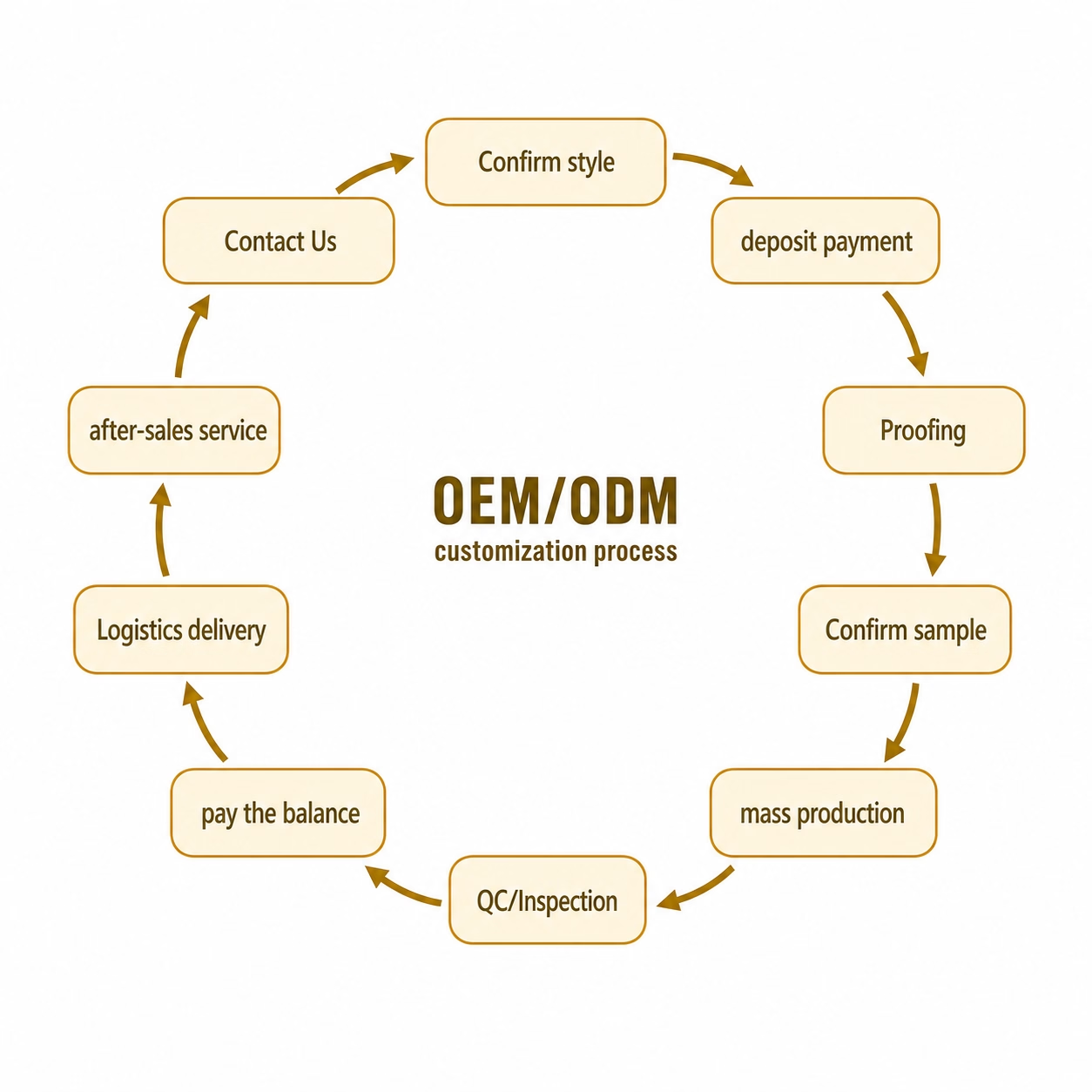
A typical project follows this sequence:
1. Contact the supplier and provide the product brief.
2. Confirm the base style and requested changes.
3. Confirm the quotation and pay the agreed deposit.
4. Prepare the sample or proof.
5. Review and confirm the sample.
6. Begin bulk production.
7. Complete quality control or agreed inspection.
8. Pay the balance according to the order terms.
9. Arrange logistics and delivery.
10. Continue with after-sales support.
The sequence may change when the project includes new tooling, multiple revisions, special packaging or market-specific documentation. Confirm responsibility, approval method and timing at every stage.
MOQ, sample time and production lead time
The following figures are standard planning references for Obeautycase rolling makeup case projects:
These are not universal promises for every design. A new structure, special material, custom packaging, multiple sample revisions, large order quantity or peak production period may change the schedule. The final lead time should be written into the quotation or order confirmation.
Sample fees can be refunded after sample confirmation under the agreed order terms. Charges for sample modifications depend on what must be changed. A simple artwork adjustment and a structural revision do not require the same work, so buyers should request a clear revision quotation before authorizing changes.
Sample approval and production inspection
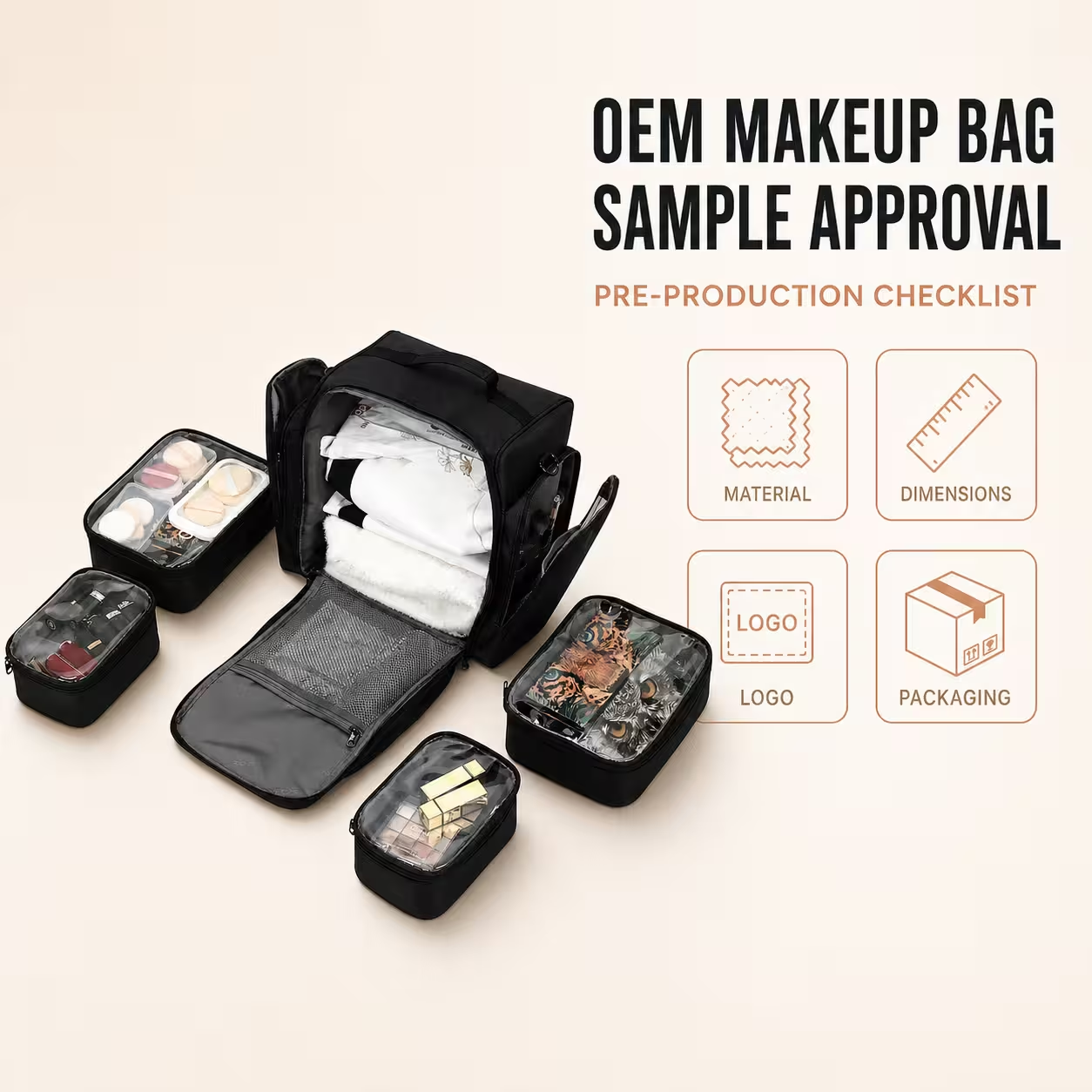
The approved sample should represent the version intended for bulk production. During approval, check the materials, colors, logo, usable dimensions, storage layout, wheels, handle, locks, accessories and packaging against the written specification.
Record any accepted variation instead of relying on a verbal understanding. Photograph important details and retain the final artwork and layout files. If the buyer approves a change after the first sample, identify which sample or revision becomes the production reference.
Guangdong Qihui Cases Co., Ltd. maintains an internal testing function. Each production line randomly selects products from five production batches every month for internal inspection, and third-party inspection is welcome. Project-specific acceptance criteria should still be confirmed before production because different case structures and target markets require different checks.
For broader supplier-qualification questions, see our guide on how to choose a rolling makeup case supplier.
Warranty, spare parts and after-sales support
The standard warranty reference is 12 months. The applicable scope, evidence required and remedy should be confirmed in the order documents. Manufacturing-related part damage or functional failure should be reported with the order details, photographs or video so the cause and appropriate solution can be reviewed.
Available replacement parts can include:
– casters;
– telescopic handles;
– locks or latches;
– dividers;
– other model-specific components.
Spare-part availability and application details should be discussed with the sales team because component compatibility varies by product. Obeautycase’s after-sales response target is within 24 hours during working time.
For a long-term OEM program, buyers can also agree on a spare-parts ratio, replacement procedure and packaging method before production. This is particularly useful for distributors or service networks supporting products in another country.
Common customization mistakes
Choosing options before defining the user
A large number of compartments is not automatically better. The layout should reflect what the target customer carries and how the case will be used.
Approving colors only on a screen
Displays, lighting and surface finishes change color perception. Use a physical reference when color consistency is commercially important.
Treating exterior dimensions as usable capacity
Frames, lining and internal mechanisms reduce usable space. Confirm each critical internal measurement.
Changing the sample without updating the specification
The factory should not have to decide whether a message, drawing or earlier sample is the final reference. Record the approved revision clearly.
Assuming one component applies to every model
Wheel, handle, lock, material and storage specifications can vary. Confirm the complete configuration for the selected product.
Leaving packaging until production is complete
Printed packaging, labels and carton requirements can affect approval and timing. Include them in the initial product brief.
Final recommendation
A successful custom rolling makeup case project begins with a clear user requirement and ends with an approved, reproducible specification. Separate appearance choices from structural changes, confirm usable dimensions and hardware, and use a physical sample to resolve details that cannot be judged from a rendering.
If you need a configuration recommendation, provide your target users, product list, intended contents weight, customization requirements, order quantity and destination market. The factory team can then match an existing platform or evaluate a modified OEM or new ODM solution before sampling.
Frequently asked questions
What can be customized on a rolling makeup case?
Depending on the model and material, customization can include the logo, exterior color, metal-frame color, lining, dividers, trays, drawers, selected wheels and hardware, accessories, packaging and carton markings. New structures can also be evaluated as ODM projects.
What is the MOQ for a custom rolling makeup case?
The standard reference minimum order quantity is 100 units. The final MOQ depends on the selected model, materials, components, branding method, packaging and extent of structural changes.
How long does an OEM sample take?
A rolling makeup case sample normally takes approximately 15 days after the required details are confirmed. New structures, special materials or revisions may require additional time.
Is the sample fee refundable?
The sample fee can be refunded after sample confirmation under the agreed order terms. The quotation should state the refund condition clearly. Charges for sample revisions depend on the requested changes.
How long does customized production take?
Bulk and customized production normally takes approximately 25–35 days after the required details and sample are confirmed. Quantity, season, special components, packaging and design complexity can affect the final schedule.
Can buyers customize the internal layout?
Yes. Divider sizes and quantities, lining, storage sections, trays and drawers can be evaluated. Buyers should provide the dimensions of the products or equipment that must fit and confirm the usable internal measurements on the sample.
Can Obeautycase develop a completely new structure?
Yes, new structural development can be evaluated through an ODM project. Feasibility, development cost, tooling needs, sample revisions and lead time depend on the design and should be confirmed before the project begins.
Is third-party inspection available?
Yes. Third-party inspection is welcome. The buyer, factory and inspector should agree on the inspection scope, sampling method and acceptance criteria before production or shipment.
What after-sales support is available?
The standard warranty reference is 12 months, with an after-sales response target within 24 hours during working time. Replacement parts such as casters, telescopic handles, locks, latches and dividers may be available depending on the model and should be coordinated with the sales team.