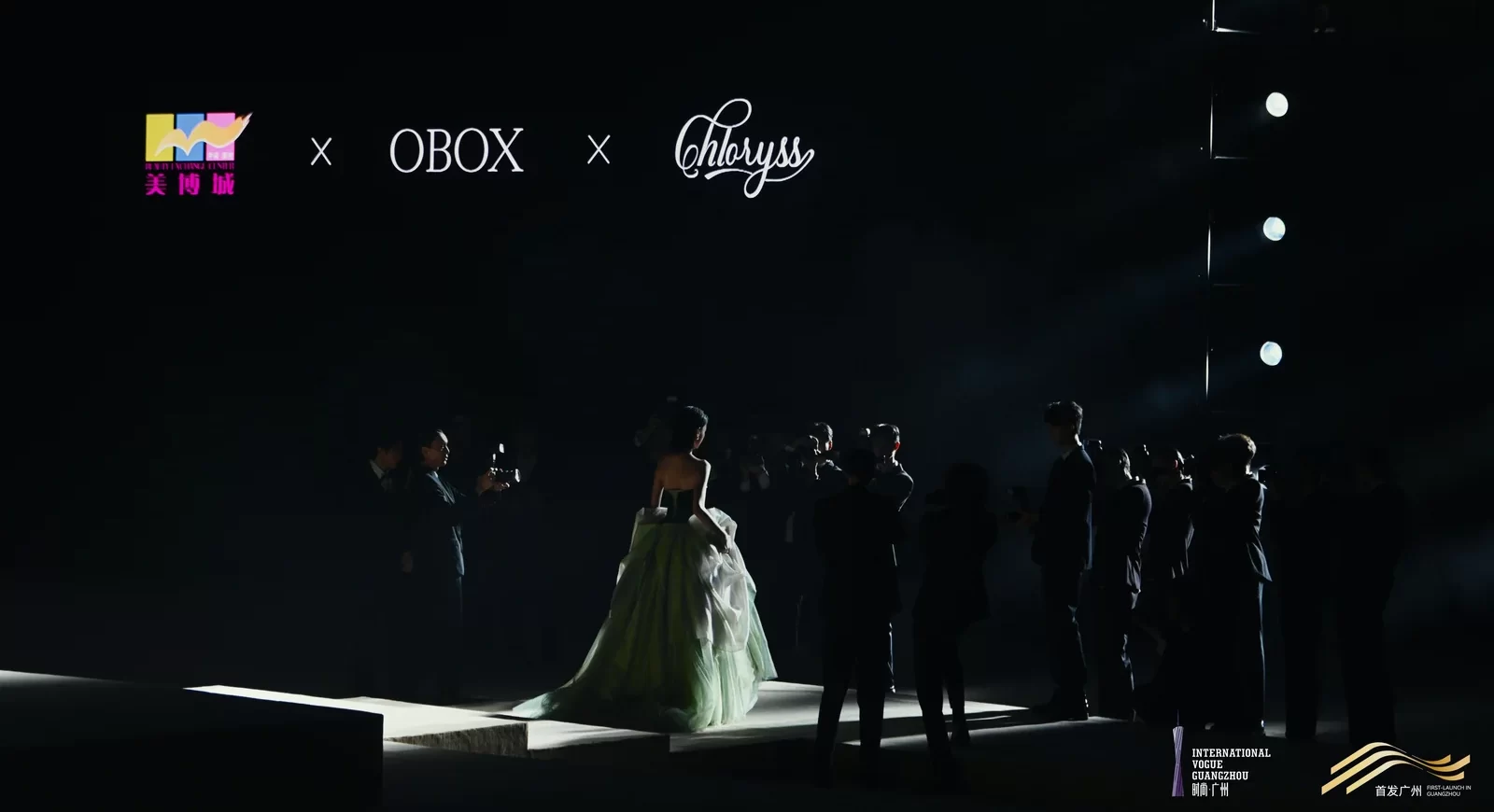
Last week our cases appeared on a bridal runway in Guangzhou — carried by models, styled against wedding gowns, in front of a few thousand people.
It was a good night for photographs. But the interesting part came afterwards, talking to the makeup artists who had worked backstage: the same cases that looked decorative under stage lights are, in daily use, doing a very unglamorous job.
This article is about that job — and about what a bridal makeup case has to do that a bag does not.
What a bridal kit actually has to carry
A wedding day kit is not a “makeup bag”. It is closer to a portable workstation, and the list is long:
- Base and colour. Foundations in several shades (brides are matched under daylight, then re-matched under reception lighting), concealers, powders, blush, contour, eyeshadow palettes, liners, lashes, and at least two lip options.
- Tools. Brushes are the bulk of it. A working bridal artist typically carries 30–40 brushes — foundation, concealer, powder, blush, contour, blending, detail, brow, liner — and each one needs its shape protected, not crushed into a pouch.
- Hair.Pins, clips, elastics, padding, setting spray, a small straightener or curling iron for touch-ups.
- Consumables.Sponges, cotton buds, wipes, sanitising spray, disposable applicators, gloves.
- The mirror. Not a nice extra. Most dressing rooms have terrible light and worse mirrors, and the artist needs a consistent reference to work against.
Then the day starts at 4 or 5 in the morning and runs to the last touch-up before the reception.
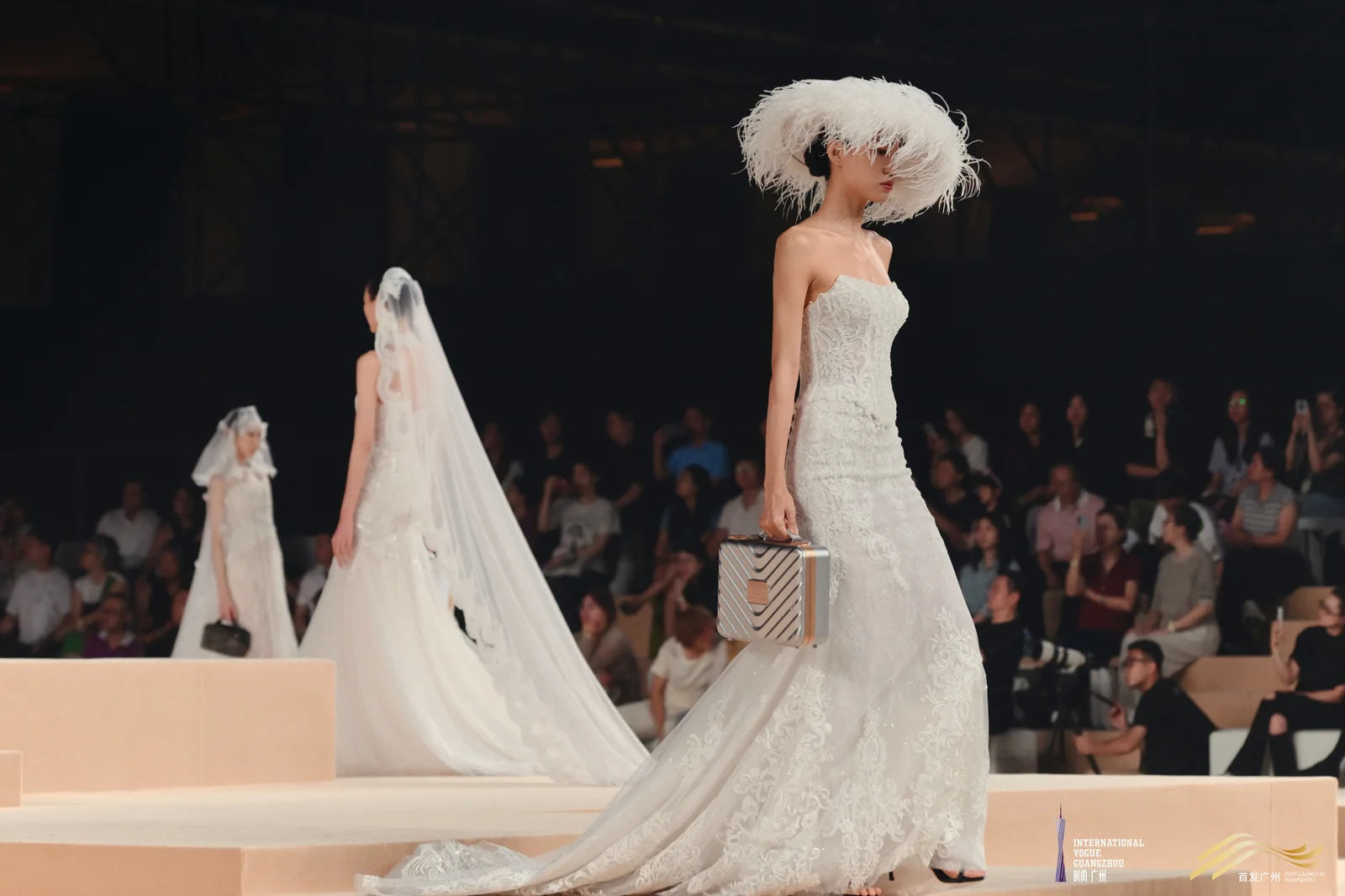
Everything above is carried in, unpacked, repacked, and carried again — sometimes between two venues.
Soft bag or partitioned case? Two different jobs
A single-compartment soft bag is not a mistake. It is light, it packs flat, it costs less, and for a personal kit or a touch-up day it does the job perfectly well.
The difference appears when the bag has to work ten hours a day, for years. Three things change:
- Visibility. In a single compartment everything settles into a pile. Finding one brush means emptying the bag onto a table — and then repacking it.
- Position. In a soft bag, dividers shift. A layout that was organised on Monday is a mess by Wednesday. A partitioned case keeps each group where you put it.
- Cleaning. Powder and cream work into seams. A wipe-down interior is the difference between a case that lasts two years and one that lasts ten.
None of that makes the soft bag wrong. It makes it a different tool:
| Working style | What fits |
|---|---|
| Personal kit, occasional jobs | Single-compartment soft bag |
| Daily bridal work, 30–40 brushes | Partitioned case with fixed or removable dividers |
| Travel between venues | Rolling hard case |
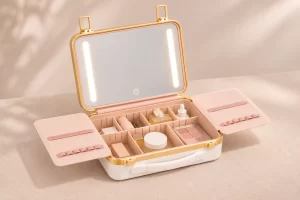
| Studio with a fixed station | Lighted workstation (LM6) |
The question is not “which is better”. It is “which one are you using it for”.
What the runway actually showed
Three pieces appeared on that runway, and each answers a different part of the working day.
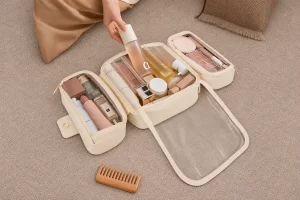
XFT — capacity you can carry by hand. A large-capacity makeup bag built on a 3D lattice texture, with three fixed storage zones and a wide opening that stays open while you work. It is for artists who need to see everything at once but still carry the kit themselves. See XFT
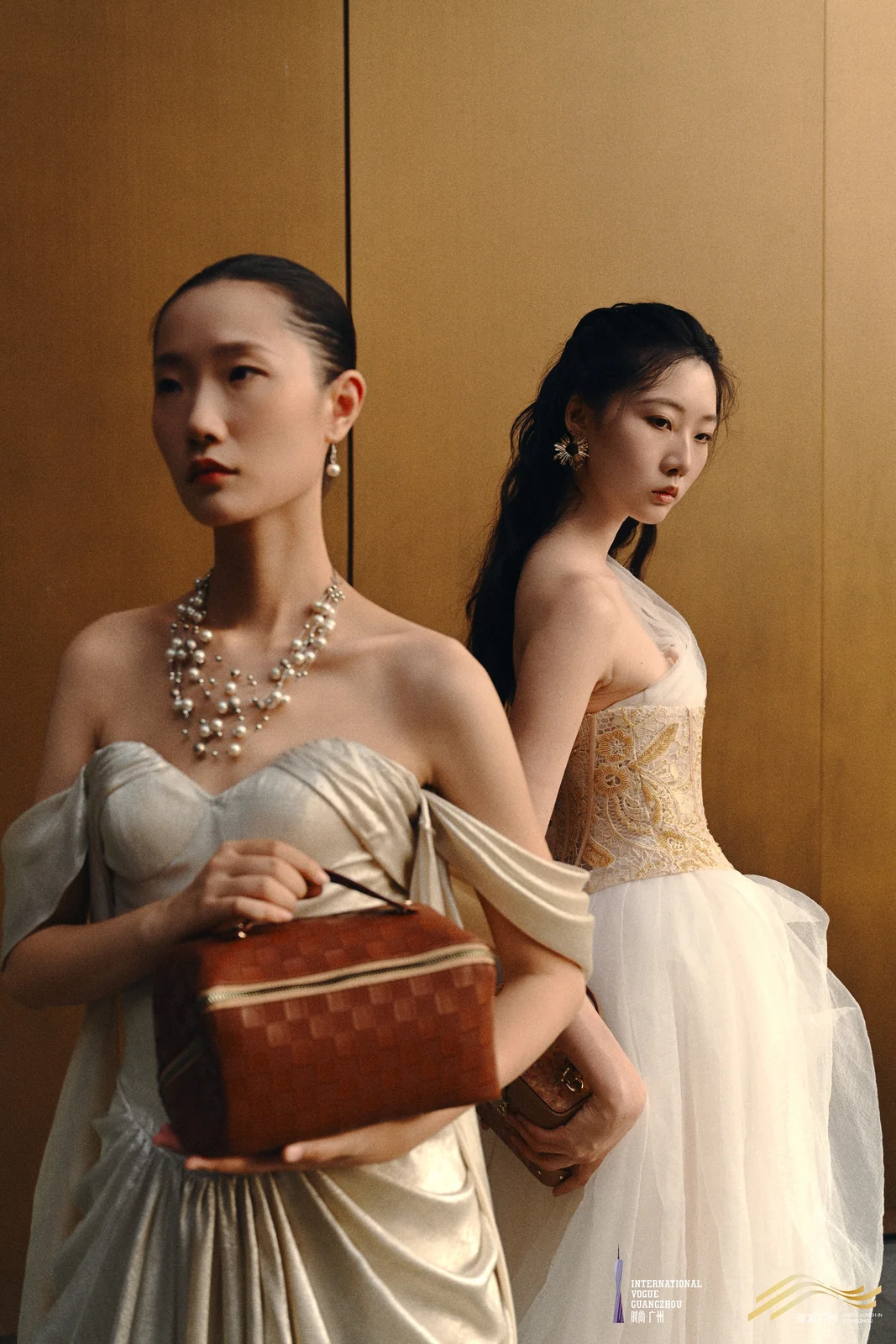
DX-12 — light that travels with you. A hard-shell LED bag with an integrated mirror, adjustable brightness and three light modes (warm, natural, cool). This is the answer to dressing rooms with bad light: the case brings its own. See DX-12
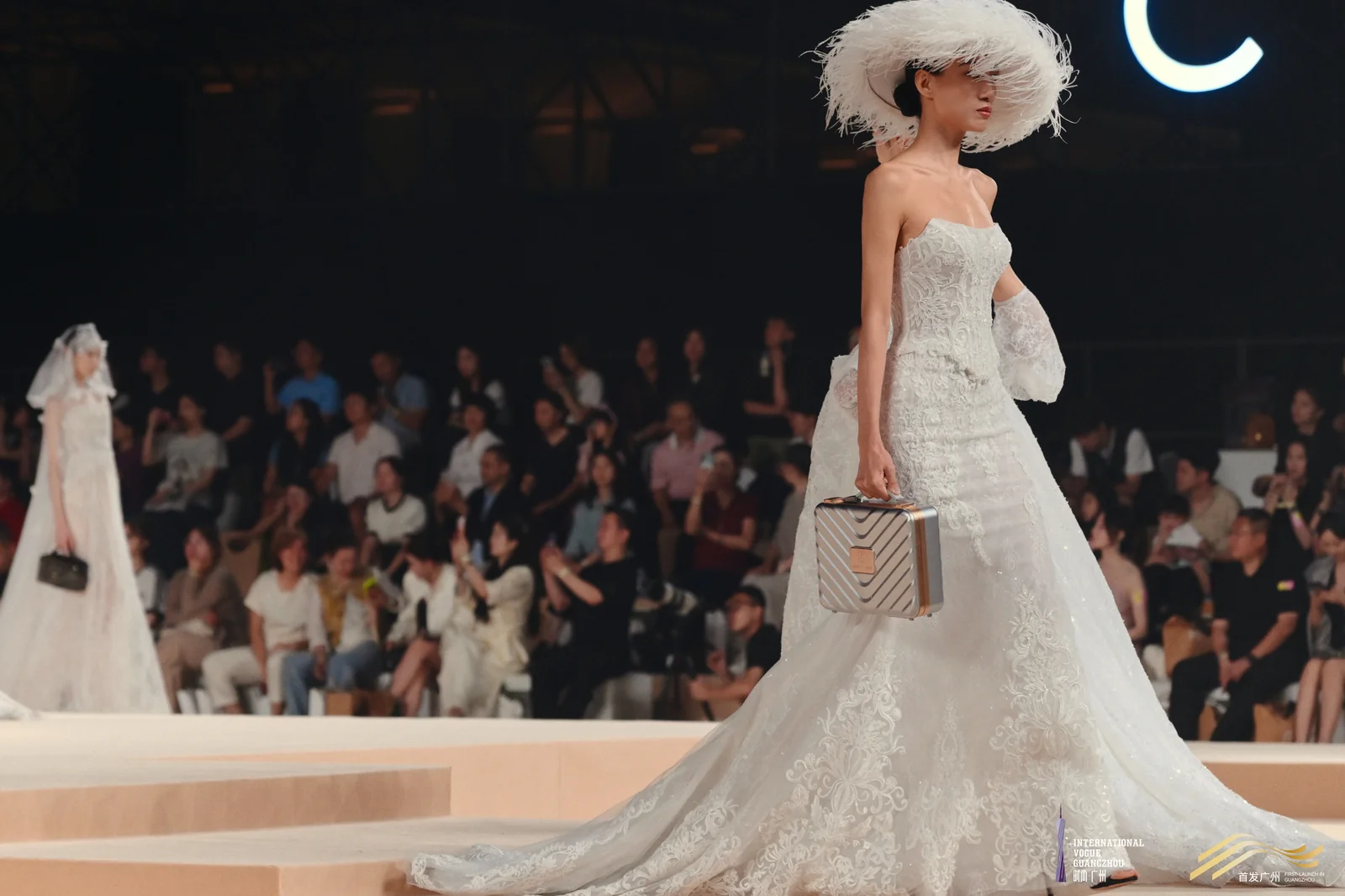
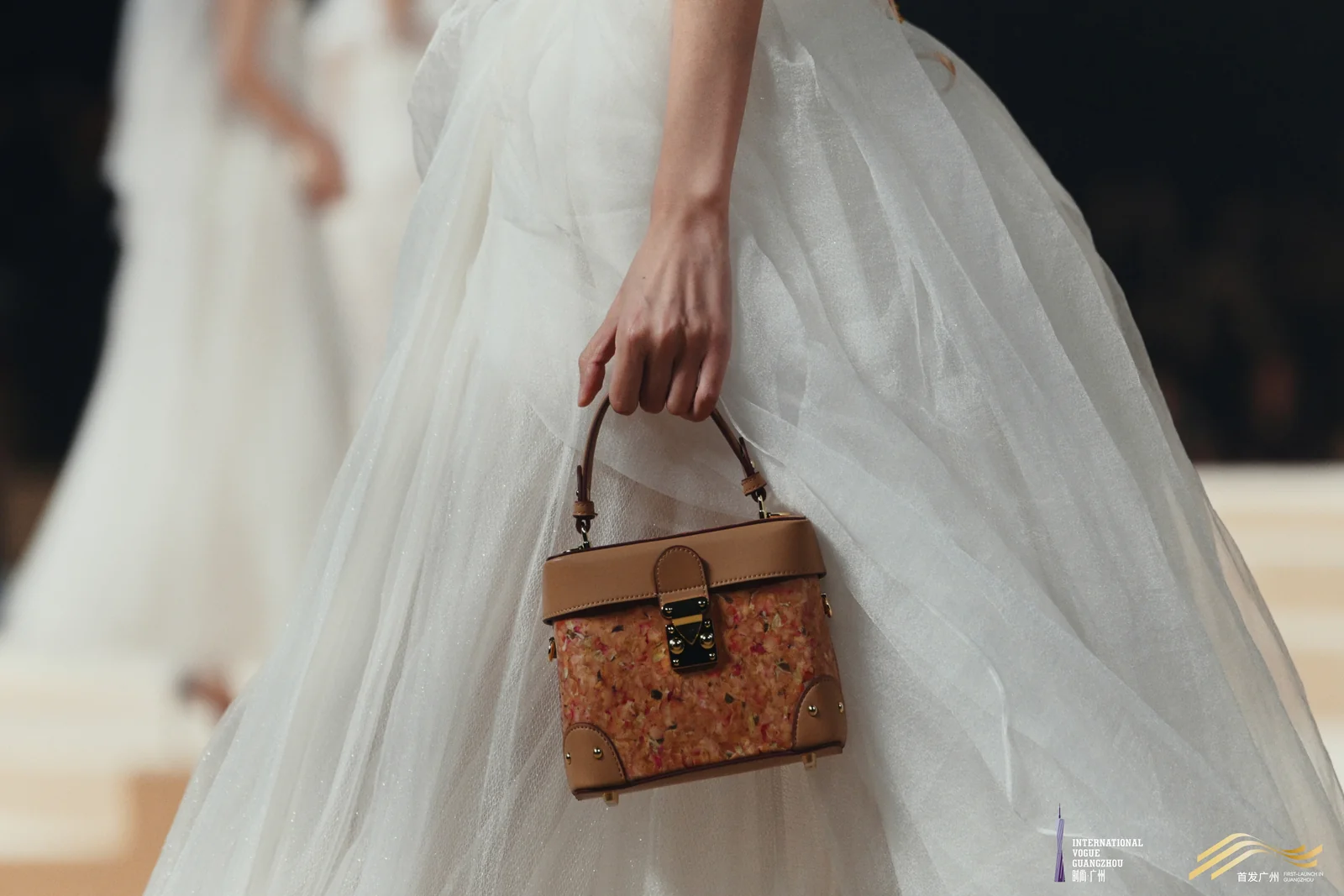
None of these is a compromise on the others. They answer different questions: how much you carry, whether you need light of your own, and how you move between venues.
On the same principle: if the work happens in one fixed place — a studio, a counter, a bridal suite — a lighted workstation (our LM6) replaces the travel case entirely. Different product, different job.
What to specify when you order
If you are sourcing cases for a bridal brand, a studio chain, or your own line, these five points decide whether the case gets used or abandoned:
- Layout, not size. Ask for the internal drawing, then check it against the actual kit.
- Fixed or removable dividers. Removable is more flexible; fixed is more durable. Say which you want.
- Mirror and light. If it is a lighted mirror, ask for CRI — below 90 and makeup colour reads wrong on camera.
- Surface cleanability. Ask what the interior lining is and how it is cleaned.
- Hinge and handle testing. These are the two parts that fail first. Ask for the cycle test, not the marketing photo.
The point
A bridal makeup case is judged twice: once in a photograph, and then every single morning for the next three years.
The second judgement is the one that decides whether a brand gets reordered.

If you are building a case for the bridal market and want to talk through the layout before the first mould — that is the conversation we are good at.
OBOX and Obeautycase are two brands of Guangdong Qihui Cases Co., Ltd. — OBOX for consumers, Obeautycase for OEM/ODM. One factory in Guangdong, 26 years.