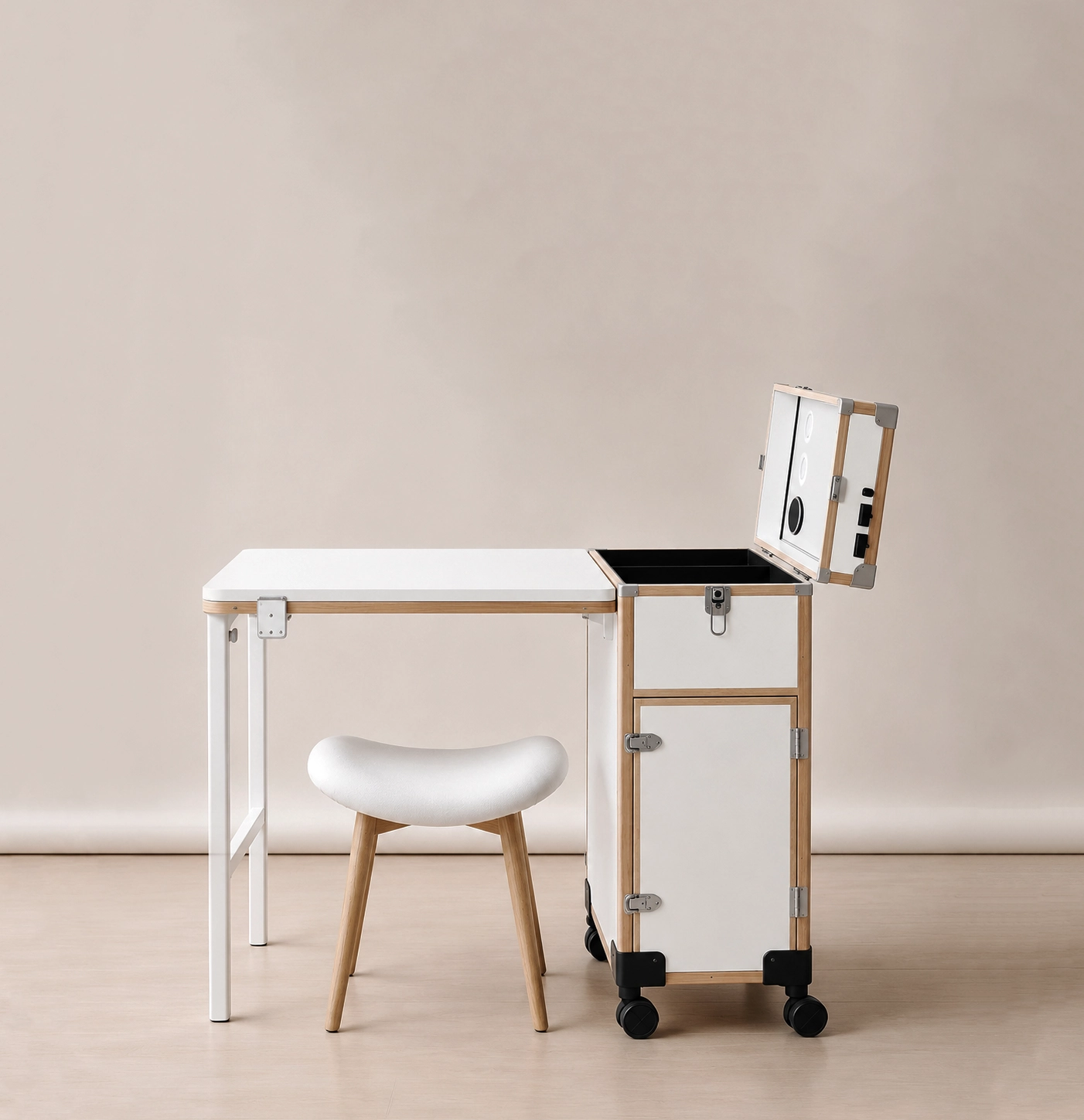
Most nail table searches start with a category term (“nail table,” “manicure workstation”) rather than a specific product — which means the buyer hasn’t yet figured out which physical format actually fits their business. A mobile technician who moves between client homes needs something completely different from a salon owner setting up a fixed station, and a folding lightweight table solves a different problem than a rolling cart with built-in storage. This guide exists to help you figure out which type fits before you start comparing specific SKUs.
<!– IMAGE PLACEMENT: Wide comparison shot showing 2-3 nail table types side by side, or a simple illustrated comparison graphic ALT TEXT: “Comparison of rolling, folding, and lightweight nail table types” –>
How to Choose: Match the Table to How You Actually Work
Quick Comparison
| Format | Portability | Storage Capacity | Built-In Features |
Best For |
|---|---|---|---|---|
| Rolling | Moderate — wheeled, no disassembly | High — dedicated compartments | LED lighting, storage |
Repositioning within a salon or between rooms |
| Folding / Lightweight |
High — breaks down for transport | Low — minimal built-in storage | Bendable LED lamp, carry bag | Mobile technicians, pop-up events |
| Fixed-Station | Low — stays in one location | Highest — full drawer/cabinet systems | Lighting, dust collection, power ports |
Permanent salon workstations |
Who This Guide Is For
- Mobile nail technicians and pop-up service providers deciding between a folding table and a rolling cart for daily transport
- Salon owners outfitting a fixed station and prioritizing storage and durability over portability
- Distributors and wholesale buyers evaluating which nail table format to stock or private-label first, based on end-customer demand
- Beauty schools and training centers equipping multiple stations where budget and durability both matter
Rolling Nail Tables
Rolling tables are built for technicians who need to reposition a fully-equipped workstation — tools, lighting, and storage included — without breaking it down. Casters allow repositioning between rooms or stations without disassembly, at the cost of being heavier and less compact than a folding table when off-site transport is actually needed.
We’ve published a full engineering and sourcing breakdown of our rolling manicure table line, covering LED lighting and storage design, the aluminum frame and HPL fire-retardant panel construction, the OEM/ODM buying process, and why distributors choose to work with us on this product specifically:
That hub links out to four detailed articles (features, materials, buying guide, and manufacturer trust/certification) — the deepest sourcing resource on this site for any single nail table format.
Folding & Lightweight Nail Tables
For technicians who need to transport the table itself — mobile services, pop-up events, or working out of a car — a folding, lightweight design solves a different problem than a rolling table does: minimizing fold-down size and weight takes priority over built-in storage capacity. Common features in this category include bendable LED lamps, carry bags or handles, and quick fold/unfold mechanisms.
Note: we don’t yet have a dedicated content cluster for this subtype the way we do for rolling tables — current stock and configurations are available on the Nail Table category page, and a full guide for this format is a planned addition.
Fixed-Station / Heavier-Duty Nail Tables
For a salon setting where the table has a permanent location, portability stops being a priority — durability, storage volume, and integrated features (lighting, dust collection, power ports) matter more. These configurations trade portability for capacity and built-in functionality.
Note: same as above — this format doesn’t yet have its own dedicated cluster. Current configurations are listed on the Nail Table category page.
Manufacturing Background
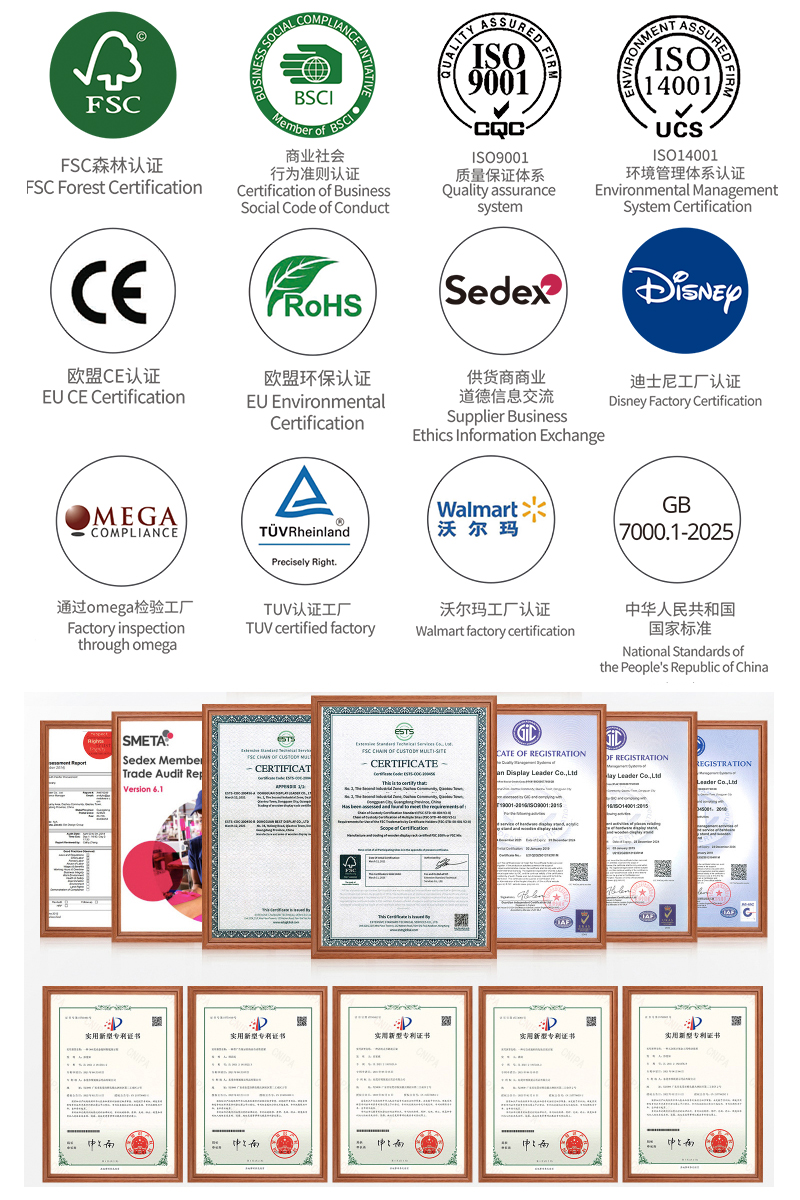
All nail table configurations are produced by Obeautycase (Guangdong Qihui Cases Co., Ltd.), a Foshan-based manufacturer with 26 years of experience, ISO9001/BSCI/FSC-audited production, and an established OEM/ODM process supporting private label and bulk orders. Full certification and factory background is covered in why distributors trust Obeautycase.
A Note on How This Guide Was Put Together
The comparison above reflects genuine product-format differences, not marketing framing — where we have a full sourcing cluster built (Rolling), we’ve linked directly to it rather than restating the same content here. Where we don’t yet have dedicated content for a format (Folding, Fixed-Station), we’ve said so plainly rather than padding the section to look equally complete. If you’re evaluating a format we haven’t fully documented yet, reach out directly — current stock and configuration options exist even where the written guide doesn’t yet.
Frequently Asked Questions
I move between client locations sometimes but not every day — rolling or folding?
If most of your work happens in one or two fixed locations with occasional off-site jobs, a rolling table usually fits better — you get full storage and built-in features for daily use, and can still reposition it easily when needed. Folding tables make more sense when off-site transport is the norm, not the exception.
Do rolling nail tables come with the same LED lighting and storage features as folding ones?
Yes — our rolling manicure table line includes integrated LED lighting and dedicated storage compartments as standard, detailed in the features article.
Can any nail table format be customized for a private label order?
Yes, across all formats — color, branding, and configuration customization go through the same OEM/ODM process. See the buying guide for details on the rolling line specifically, or contact us directly for other formats.
Is a heavier, fixed-station table actually more durable than a folding one, or just harder to move?
Both, generally. Fixed-station designs don’t need to accommodate a fold mechanism, which typically means fewer moving parts and stronger overall construction — the tradeoff is purely in portability, not durability.
Where to Go From Here
For MOQ, samples, lead times and factory evaluation, continue with our nail table wholesale guide.
Ready to go deep on the one format we’ve fully documented? The Rolling Manicure Table Hub covers features, materials, sourcing, and certification in full — the most detailed resource on this site for any single nail table format.
Just want to see what’s currently in stock across every format? The Nail Table category page has current configurations, including Folding and Fixed-Station options not yet covered in a dedicated guide.
Have a specific use case not addressed above? Reach out directly — MOQ, lead time, and customization apply across all formats, not just the ones with a full write-up yet.